
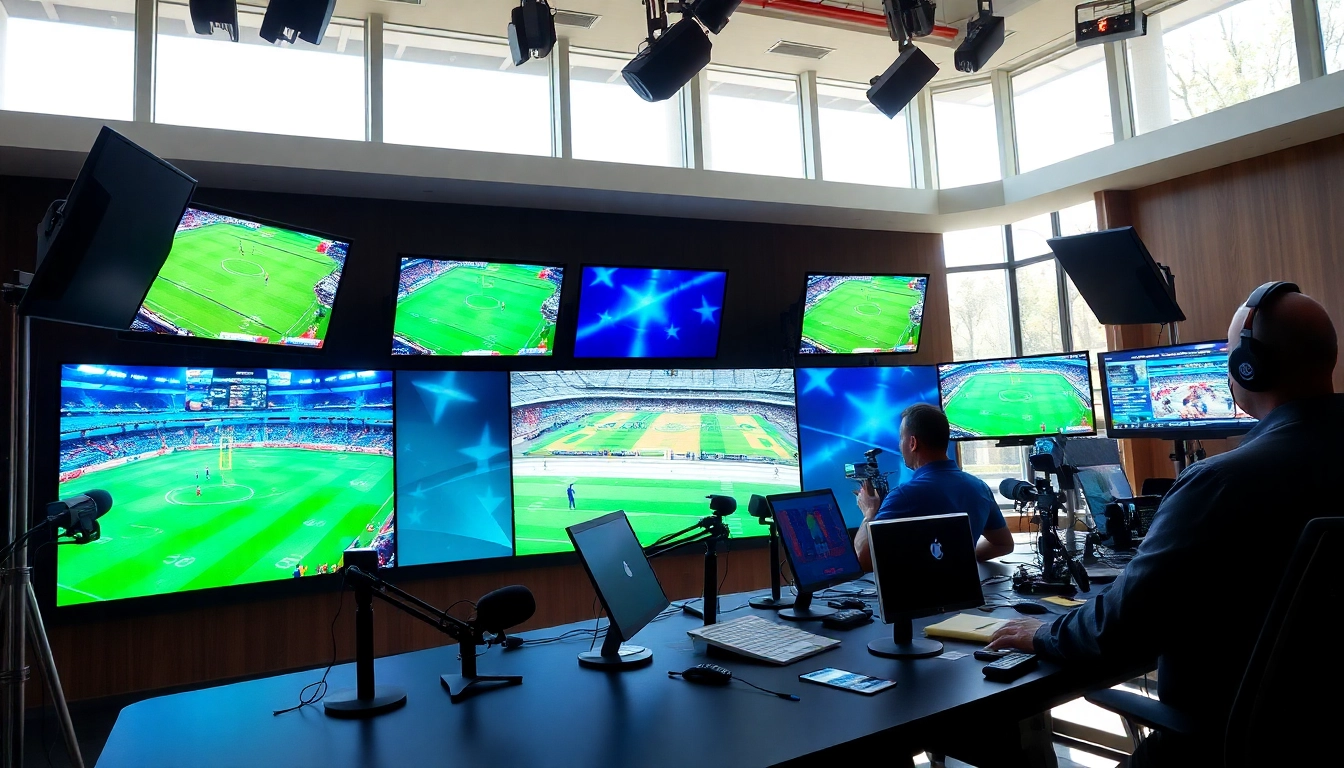
Understanding Sports Broadcasting Fundamentals
Sports broadcasting is an evolving field that combines passion for sports with advanced technology. It serves as a vital link between athletes and fans, delivering real-time action and insights directly to the spectator's screen. For those curious about this dynamic industry, a deep dive into the Sports Broadcasting sector reveals its importance and structure.
What is Sports Broadcasting?
Sports broadcasting encompasses the distribution of sports content, including live coverage of events, commentary, analysis, and sports-related news via various platforms. With the rise of digital technology, sports broadcasting has transformed from traditional television and radio platforms to a broader spectrum that includes online streaming services and social media. At its core, it blends information, entertainment, and engagement, allowing fans to stay connected with their favorite teams and athletes.
Key Components of Sports Broadcasting
Understanding sports broadcasting requires familiarity with its core components: event coverage, commentary, analysis, and audience interaction. Event coverage involves the live transmission of games, often enhanced by camera angles, replays, and graphics to provide a fuller viewing experience. Commentary brings in expert insights, weaving narratives that add value to the visual experience. Additionally, analysis offers deeper insights into the tactics and strategies employed by teams, which enriches viewers' understanding of the game.
The Importance of Live Coverage
Live coverage is the heartbeat of sports broadcasting. It allows fans to experience the thrill of the moment as it unfolds, creating a sense of excitement and communal engagement. This immediacy is essential, especially in an age where social media updates can spoil events for those who are unable to watch live. Instant reactions, interviews with players post-match, and real-time statistics all contribute to making live coverage a cherished aspect of sports broadcasting.
Types of Sports Broadcasting Formats
Television Broadcasting
Television broadcasting remains a powerhouse in the sports media landscape. Major networks compete vigorously for broadcasting rights to popular sports leagues and events, driving viewer engagement through high-definition broadcasts and expert commentary. Additionally, pre-game and post-game shows, as well as highlight reels, complement live games, creating a comprehensive viewing experience for fans.
Online Streaming and Radio
The shift towards online streaming has revolutionized sports broadcasting, allowing fans flexibility in how and when they consume content. Platforms like ESPN+, DAZN, and various sports league websites offer live events and exclusive content streamed directly to devices. Coupled with this, sports radio remains a staple, providing updates, analysis, and discussions, particularly appealing to fans on the go.
Social Media Broadcasting
Social media has emerged as a significant player in sports broadcasting. Platforms like Twitter, Facebook, Instagram, and TikTok provide real-time highlights, player interactions, and fan engagement, creating a vibrant online community. Events can now be broadcast live on these platforms, reaching broader audiences and enhancing the conversation around sports events as they happen.
The Role of Technology in Sports Broadcasting
Equipment Used in Sports Broadcasting
The backbone of sports broadcasting is its technology. High-definition cameras capture every angle of the game, while advanced audio equipment ensures crystal-clear commentary. Graphics systems create engaging visuals that enhance storytelling, especially during live broadcasts. Additionally, mobile production units and satellite links enable broadcasts from anywhere in the world, delivering sports coverage from even the most remote locations.
Trends in Broadcasting Technology
Technology in sports broadcasting is continuously advancing. Innovations such as 4K resolution, augmented reality (AR), and real-time analytics are becoming commonplace. These advancements not only improve picture and sound quality but also enhance the audience's understanding and enjoyment of the game. Broadcasters are exploring multiple camera views, interactive features, and data visualizations to make the viewing experience more immersive.
Enhancements Through Virtual Reality
Virtual reality (VR) is beginning to make its mark in sports broadcasting. By providing immersive experiences, VR allows fans to feel as though they are part of the action, sitting courtside or at the center of the stadium. This technology aims to revolutionize how sports are consumed, offering unique viewing experiences that traditional broadcasting cannot replicate.
Challenges Faced in Sports Broadcasting
Technical Difficulties and Solutions
Despite advancements, technical difficulties remain a significant hurdle in sports broadcasting. Issues such as signal loss, equipment malfunctions, and internet connectivity can disrupt broadcasts. To mitigate these challenges, broadcasters invest in redundant systems and conduct extensive testing prior to events. On-site technicians are crucial in addressing any problems swiftly to ensure continuity of coverage.
Legal and Regulatory Issues
Compliance with legal and regulatory frameworks is vital in sports broadcasting. Broadcasting rights, copyright issues, and licensing agreements dictate how content can be disseminated. Violating these regulations can result in significant penalties. Therefore, broadcasters must navigate these landscapes carefully and ensure they have the necessary permissions before airing any content.
Maintaining Audience Engagement
In an era of short attention spans, retaining audience engagement is a key challenge of sports broadcasting. To combat viewer fatigue, broadcasters are adopting interactive features, such as live polls and social media integration, to create a two-way communication channel with fans. Engaging storytelling, unique content, and fan-centric narratives are also imperative to capture and maintain viewer interest.
Future Trends in Sports Broadcasting
The Rise of Interactive Broadcasting
Interactive broadcasting is the future of sports media. Fans are increasingly seeking opportunities to engage directly with content through interactive features. This could range from choosing camera angles during a live broadcast to participating in live Q&A sessions with athletes. Such interactivity not only enriches the viewing experience but also fosters a deeper connection between fans and the sports they love.
Impact of Artificial Intelligence
Artificial intelligence (AI) is set to transform sports broadcasting significantly. AI can analyze vast amounts of data, offering insights that enhance both broadcasting and viewer experience. Predictive analytics can prepare commentators for anticipated gameplay, while personalized content recommendations can tailor experiences based on individual viewer preferences.
Globalization of Sports Broadcasting
As the world becomes more interconnected, sports broadcasting is also globalizing. Major events are now broadcast across multiple countries, bringing together diverse audiences. Digital platforms have made it possible for niche sports and leagues to reach a global viewership, promoting increased interest and investment in various sporting events worldwide.
Frequently Asked Questions
What are the main types of sports broadcasting?
The main types of sports broadcasting include television, online streaming, radio, and social media platforms, each delivering live coverage and insights to fans.
How has technology impacted sports broadcasting?
Technology has improved the quality of broadcasts, introduced interactive features, and enabled immersive experiences through advancements such as VR and AI.
What challenges do sports broadcasters face?
Key challenges include technical difficulties, legal issues regarding rights and regulations, and maintaining audience engagement in a competitive media landscape.
Will sports broadcasting become more interactive?
Yes, the trend towards interactive broadcasting is growing, offering fans opportunities to engage with content through unique features during live events.
How does globalization affect sports broadcasting?
Globalization allows niche sports and events to reach wider audiences, fostering greater interest and investment in sports worldwide, enhancing fan engagement.