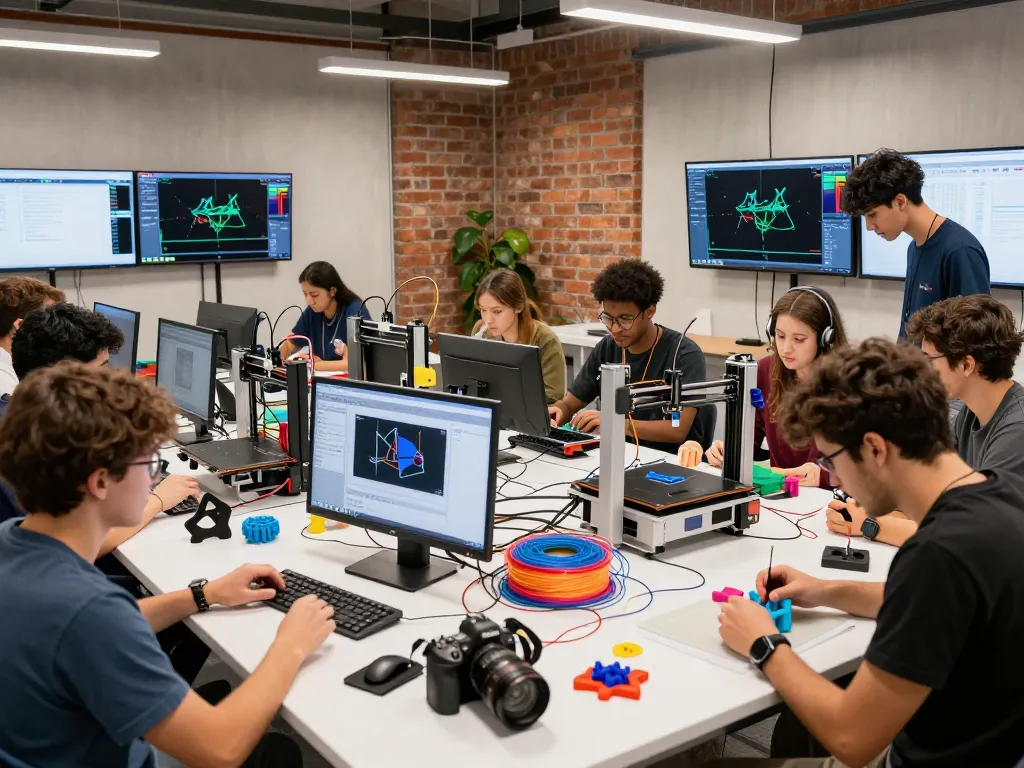
Understanding the Fundamentals of 3D Printing
3D printing, an innovative form of manufacturing, has revolutionized the way we create physical objects. By using a digital model, 3D printers construct items layer by layer, a process known as additive manufacturing. This technology has grown exponentially since its inception in the 1980s, evolving from simple prototypes to sophisticated products used across various industries, including healthcare, automotive, and fashion. As we delve into this guide, we will explore its history, methods, and the future of 3D Printing.
What is 3D Printing?
3D printing refers to the process of creating three-dimensional objects from a digital file. This design is sliced into thin horizontal layers to guide the printer as it constructs the object layer by layer. Unlike traditional manufacturing methods that often involve cutting away material (subtractive manufacturing), 3D printing adds material, making it more efficient and allowing for intricate designs that would be impossible to create otherwise.
History and Evolution of 3D Printing Technologies
The journey of 3D printing began in the 1980s when Chuck Hull invented stereolithography, the first 3D printing technology, which utilized ultraviolet light to cure layers of resin. This marked the beginning of a new era in manufacturing. Over the years, various methods such as Fused Deposition Modeling (FDM), Selective Laser Sintering (SLS), and Digital Light Processing (DLP) have been developed, each with unique applications and advantages. The industry has matured significantly, with enhancements in speed, accuracy, and material diversity, making 3D printing accessible to both hobbyists and large-scale production facilities.
Key Concepts: Additive vs. Subtractive Manufacturing
Understanding the difference between additive and subtractive manufacturing is crucial for anyone involved in 3D printing. Additive manufacturing builds objects by adding material layer by layer, which allows for complex geometries and minimizes waste. In contrast, subtractive manufacturing removes material from a solid block, which can lead to significant waste, especially when working with expensive materials. The choice between these methods often depends on the intended use and material characteristics required.
Choosing the Right 3D Printing Method for Your Project
When embarking on a 3D printing project, selecting the appropriate method is essential for achieving the desired outcome. Several factors influence this decision, including the intended use of the printed object, material requirements, and budget constraints. Understanding the various technologies available will help guide this choice.
Overview of Popular 3D Printing Technologies
There are several popular 3D printing technologies, each with its strengths and weaknesses:
- Fused Deposition Modeling (FDM): Widely used for its affordability and ease of use, FDM works by extruding thermoplastic filament through a heated nozzle.
- Stereolithography (SLA): Known for its precision and ability to create intricate details, SLA uses UV light to cure liquid resin into solid forms.
- Selective Laser Sintering (SLS): This method employs a laser to sinter powdered materials, allowing for strong, functional parts to be produced without the need for support structures.
- Digital Light Processing (DLP): Similar to SLA, DLP uses a digital light projector to cure resin. It is faster than SLA and can produce high-quality parts.
Factors to Consider When Selecting a Printing Method
When deciding on a 3D printing method, consider the following factors:
- Print Quality: Different technologies provide varying levels of detail and surface finish. Higher resolution printing typically comes at a higher cost.
- Material Compatibility: Ensure the chosen method supports the materials required for your project, such as plastics, metals, or ceramics.
- Speed: Evaluate the production speed necessary for your application, especially for time-sensitive projects.
- Cost: Balance the budget against the quality and speed needs. Some methods may require costly equipment or materials.
Material Selection: Types and Applications
Material selection is critical in 3D printing, as it influences the mechanical and aesthetic properties of the final product. Common materials include:
- PLA (Polylactic Acid): A plant-based filament that is easy to print and biodegradable, making it ideal for prototyping and educational purposes.
- ABS (Acrylonitrile Butadiene Styrene): Known for its strength, ABS is suitable for functional parts but requires specific printing conditions due to warping.
- TPU (Thermoplastic Polyurethane): A flexible material ideal for applications requiring durability and elasticity, frequently used in consumer goods.
- Metals: Various metal powders can be used in advanced 3D printing processes, like SLS, for creating robust tools and components.
Challenges and Solutions in 3D Printing
While 3D printing offers numerous benefits, several challenges still persist. Addressing these issues is essential for improving the quality and reliability of printed products.
Common Issues in 3D Printing and Their Fixes
Some common challenges include:
- Warpage: A frequent issue in FDM printing can often be mitigated by using a heated bed and optimizing print temperatures.
- Layer Adhesion: Proper calibration of print speed and nozzle temperature can improve layer adhesion, enhancing part strength.
- Stringing: Reducing retraction distance and adjusting print speed can help minimize stringing between parts.
Understanding Print Quality and Precision
Print quality is influenced by several factors, including printer settings, material properties, and environmental conditions. It's crucial to calibrate the printer regularly and perform test prints to ensure quality remains consistent.
Software Tools for Optimizing Your 3D Prints
Software plays a vital role in the 3D printing process. Slicing software takes the digital model and prepares it for printing by generating the necessary code. Popular options include Cura, PrusaSlicer, and Simplify3D, each offering unique features for optimizing prints.
Real-World Applications of 3D Printing in 2026
As we move further into 2026, 3D printing continues to make significant strides in various sectors, driving innovation and efficiency.
3D Printing in Manufacturing and Prototyping
In manufacturing, 3D printing is used for rapid prototyping, allowing companies to test designs quickly and efficiently. As technology evolves, mass production through 3D printing is becoming increasingly viable, offering customizable products tailored to consumer needs.
Innovations in Healthcare Through 3D Printing
Healthcare has seen remarkable advancements due to 3D printing. Custom prosthetics, dental implants, and even bioprinted tissues are revolutionizing patient care, providing bespoke solutions that significantly enhance outcomes.
Impact of 3D Printing on Architecture and Design
In architecture, 3D printing allows for the creation of intricate models and even entire structures. This innovation reduces waste and enables designs that were once deemed impractical, fostering creativity and sustainability in construction.
Future Trends in 3D Printing Technologies
The future of 3D printing is bright, with emerging technologies poised to further reshape the industry landscape.
Emerging Technologies Shaping the 3D Printing Landscape
New materials, such as bio-inks and photopolymer resins, are being developed to expand the capabilities of 3D printing. Advances in automation and robotics will enhance precision and speed while reducing costs.
The Role of AI and Automation in 3D Printing
Artificial Intelligence (AI) is beginning to play a role in optimizing print processes. Machine learning algorithms analyze prints to predict and resolve issues, reducing the amount of trial and error involved.
Predictions for the Future of 3D Printing
As 3D printing technology advances, we can expect it to penetrate even more industries, driving new business models and innovation. Predictions suggest a significant increase in the use of 3D printing for on-demand production, minimizing inventory costs and improving supply chain efficiency.
How Can 3D Printing Revolutionize Industries?
3D printing has the potential to transform industries by enabling small-scale production, promoting sustainable materials, and allowing for mass customization. By reducing reliance on traditional manufacturing chains, businesses can become more agile and responsive to market demands.
What are the Costs Involved in 3D Printing?
The costs associated with 3D printing can vary widely based on the chosen technology, materials, and the complexity of the project. Hobbyist setups may range from a few hundred to thousands of dollars, while industrial equipment can exceed $50,000. Understanding these costs, including ongoing material and maintenance expenses, is crucial for budgeting effectively.
How to Find Reliable 3D Printing Services Near You?
Finding a trustworthy 3D printing service can enhance your project outcomes. Look for companies with strong reputations, positive customer reviews, and a portfolio that aligns with your needs. Online platforms and local maker spaces often provide access to quality services.
What Materials are Most Suitable for 3D Printing?
The best material for a 3D printing project largely depends on the application's requirements. For example, PLA is ideal for detailed prototypes, while ABS is better suited for parts requiring durability. Understanding your project's needs will guide appropriate material selection.
How to Overcome Common 3D Printing Challenges?
To successfully navigate the challenges of 3D printing, it’s essential to continually experiment and refine techniques. Regular maintenance of equipment, paired with thorough research on printing methods and materials, can lead to better outcomes.
What are the Environmental Impacts of 3D Printing?
3D printing holds promise for reducing manufacturing waste and enabling localized production, which can minimize carbon footprints. However, the environmental impact of certain materials, such as plastics, must be carefully considered, prompting the industry to seek sustainable alternatives.