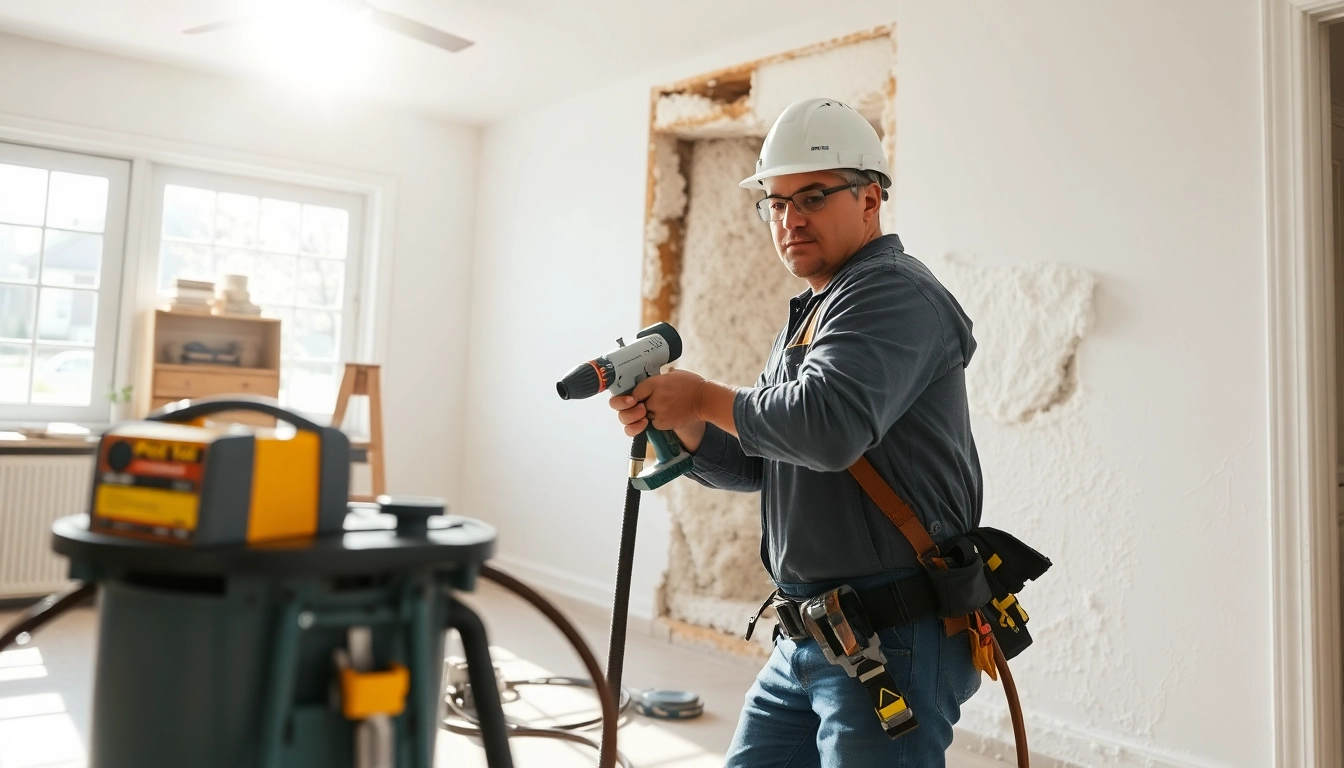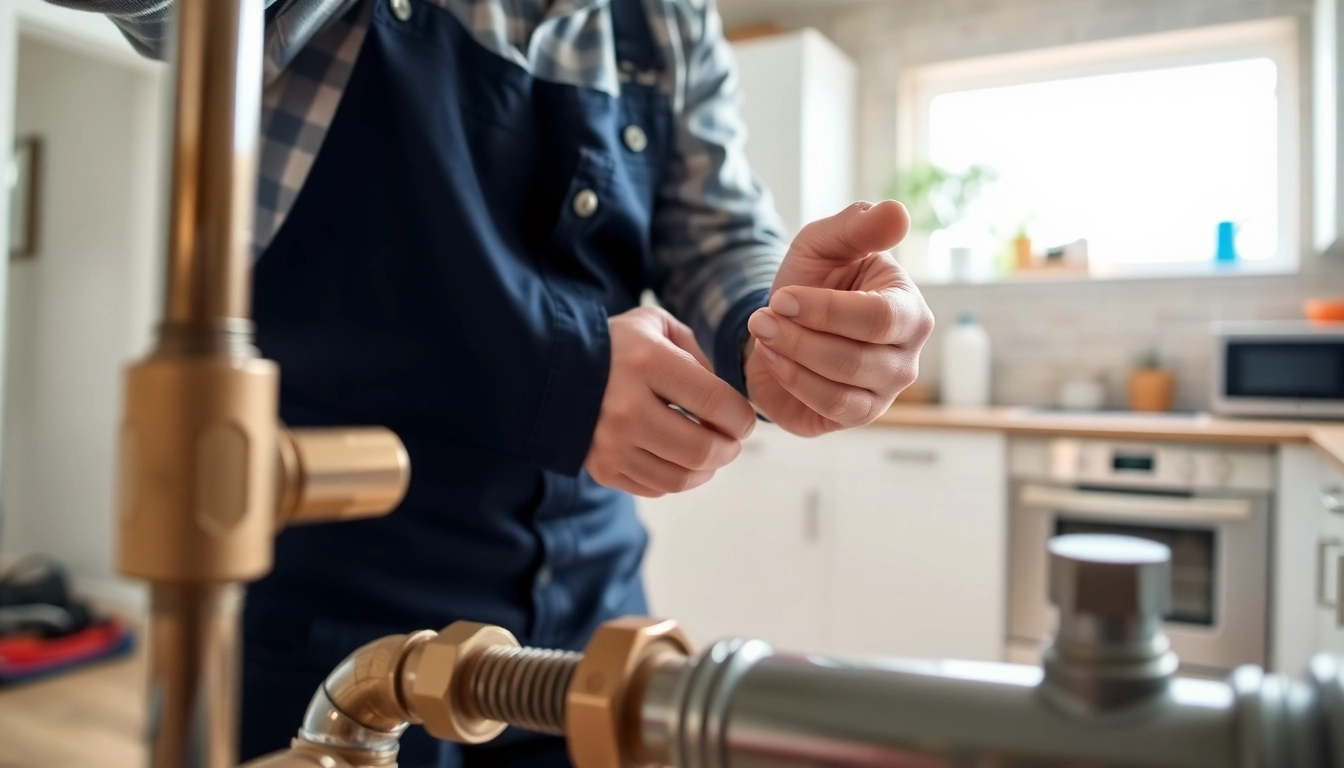
Understanding Whole House Repiping Services St Petersburg FL
Whole house repiping is an essential service for homeowners in St. Petersburg, FL, that involves replacing the existing pipe system throughout a home. This extensive process often becomes necessary due to aging infrastructure, corrosion, or other issues impacting your plumbing system's integrity. If you're facing plumbing challenges, understanding the value of whole house repiping services St Petersburg FL can provide insights into improving your home's plumbing health and efficiency.
What is Whole House Repiping?
Whole house repiping refers to the comprehensive process of removing and replacing all existing water supply lines in a home. This procedure may involve various types of plumbing materials, primarily PEX and copper, and it ensures that the water supply is safe, clean, and efficient. The procedure can vary in complexity, depending on the size of the home, the existing pipeline configurations, and the materials being used for the replacement.
Importance of Repiping for Home Health
The health of your home significantly depends on a reliable plumbing system. Old pipes can lead to numerous problems, including leaks, bursts, and contaminants in your drinking water. By opting for whole house repiping, homeowners invest in their property, enhancing water quality, reducing risk of leaks, and improving pressure throughout the system. This proactive measure not only safeguards health but also potentially increases property value.
When to Consider Repiping?
Identifying the right time for repiping your home can be critical. Signs indicating the need for comprehensive repiping include:
- Frequent leaks or bursts in the existing plumbing system
- Discolored or rusty water, indicating corrosion
- Low water pressure, suggesting blockages or pipe issues
- Unusual noises in pipes, signaling plumbing problems
- Age of pipes exceeding 50 years, which often leads to deterioration
If you notice any of these signs, it’s time to consider whole house repiping services.
Choosing the Right Materials for Repiping
Types of Pipes: Copper vs. PEX
When deciding on the materials for repiping, homeowners typically choose between copper and PEX (cross-linked polyethylene). Each has its own set of advantages and drawbacks:
- Copper: Known for its durability and longevity, copper resists corrosion and can last over 50 years. It’s great for hot water lines due to its ability to handle high temperatures but is generally more expensive to install and can be challenging to work with.
- PEX: PEX pipes are more flexible and easier to install, allowing for fewer joints and connections, which can minimize potential leaks. They are also less expensive than copper but can be less durable in direct sunlight and not suitable for outdoor use without protection.
Cost Considerations of Materials
The cost of repiping can vary greatly depending on the materials chosen and your specific plumbing needs. Generally, PEX offers a cost-effective option, often costing 30% less than copper. However, prices fluctuate based on local market conditions, installation complexity, and the size of your home. Budgeting for your repiping project should encompass not only the material costs but labor, permitting, and any necessary home repairs after installation.
Long-term Benefits of Quality Materials
Investing in high-quality repiping materials pays off in the long run. While initial costs may be higher, durable options like copper can reduce long-term maintenance and repair costs. Additionally, quality materials enhance the safety and reliability of your water supply system, leading to fewer disruptions and overall peace of mind for homeowners.
Choosing Skilled Professionals for Repiping
What to Look for in a Repiping Service
Selecting the right professionals for your repiping project is crucial for ensuring quality work and compliance with local plumbing codes. Here are key factors to consider when evaluating repiping services:
- Experience and expertise in whole house repiping
- Customer reviews and testimonials
- Warranties and guarantees on workmanship and materials
- Transparent pricing without hidden fees
- Licensing and insurance to protect your interests
Questions to Ask Your Plumbing Contractor
When interviewing potential plumbing contractors, accompany them with thoughtful questions to better understand their capabilities and offerings:
- How many repiping projects have you completed in my area?
- What materials do you recommend, and why?
- What will the entire process involve, and how long will it take?
- Can you provide a detailed quote outlining your services?
- What preventative measures do you take to minimize disruption during the project?
Checking Credentials and Experience
To ensure that you’re hiring a skilled plumber, verifying their credentials is essential. Confirm they have the necessary licenses and certifications required in your state and check whether they have experience specifically with repiping projects. It’s also wise to request references and check with previous clients about their satisfaction with the project outcome.
Preparing for Your Whole House Repiping Project
Steps to Take Before Repiping Starts
Prepping your home for a repiping project will facilitate a smoother process and reduce inconveniences:
- Clear areas around pipes and fixtures for easy access
- Inform family members and neighbors about the upcoming work
- Create a plan for temporary accommodations if necessary
- Secure your home by removing valuable items from work zones
- Schedule necessary plumbing inspections to comply with local regulations
How to Protect Your Home During Repiping
During the repiping process, your home is susceptible to dust and potential damage from tools and materials. Protect your home adequately by:
- Covering furniture and flooring with drop cloths
- Creating barriers to limit dust spread to other areas
- Ensuring children and pets are kept out of work zones
- Having a contingency plan in case of plumbing failures
Timelines and Expectations for Completion
The timeline for a whole house repiping project typically ranges from a few days to a week, depending on the complexity of your home's plumbing and the team you’ve chosen. Discuss with your contractor a detailed schedule, outlining when you can expect various phases of work to be completed. Providing a realistic timeline helps set proper expectations and allows for adequate planning during the transition.
FAQs About Whole House Repiping Services St Petersburg FL
How long does whole house repiping take?
The duration depends on your home's size and complexity, typically ranging from a few days to a week.
What are the signs that I need repiping?
Common signs include low water pressure, discolored water, and frequent leaks or pipe bursts.
Is repiping covered by home insurance?
Coverage varies by policy; check with your insurance provider for details on plumbing repairs.
Can I stay in my home during repiping?
It's possible typically, but accessing plumbing sections may disrupt water service at times.
What is the cost of whole house repiping services?
Costs vary widely based on materials and your home's specifics, generally ranging from $5,000 to $15,000.