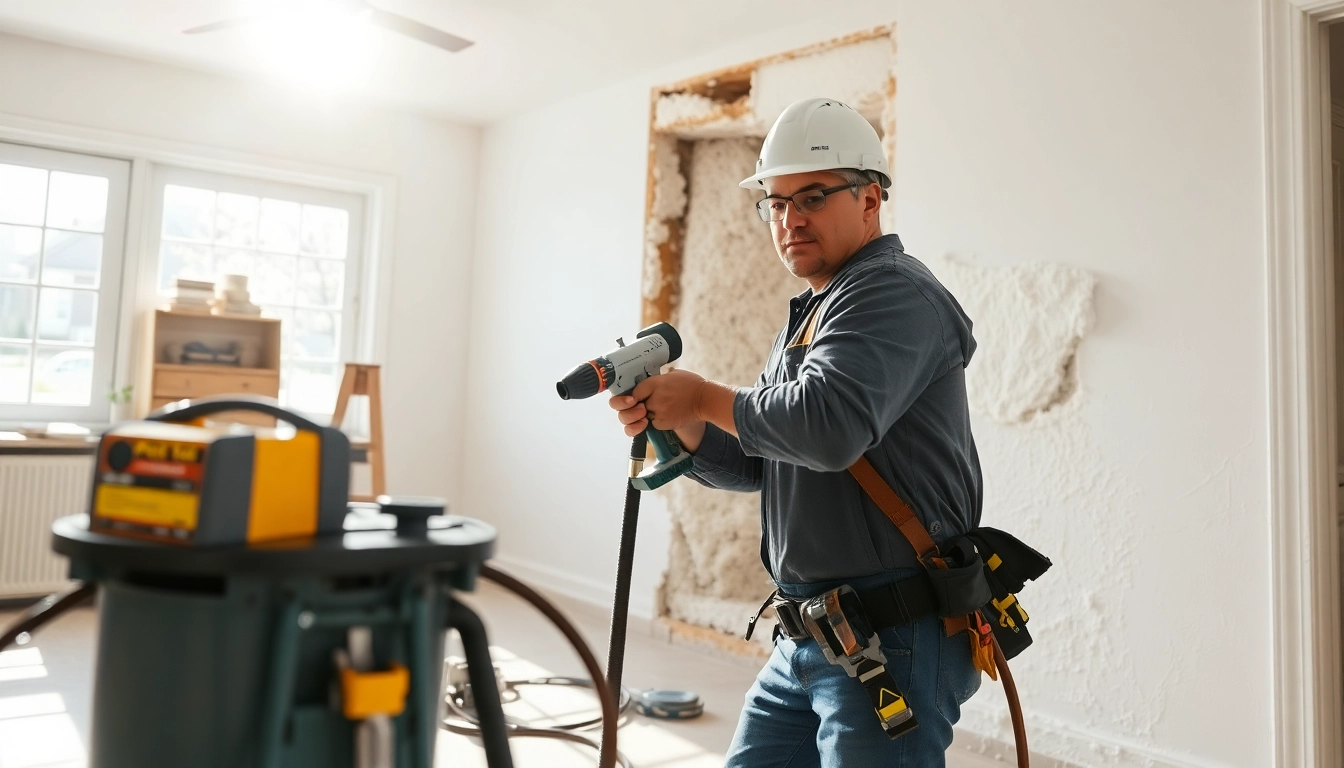
Understanding the Role of a Roofing Contractor
When it comes to home renovations, particularly regarding the roof, many homeowners may overlook the complex role of a Roofing contractor. These professionals are crucial in ensuring that your roofing project is completed correctly and efficiently. In this article, we’ll delve into the various responsibilities of a roofing contractor, the types available, and the importance of hiring a licensed professional for your roofing needs.
What Does a Roofing Contractor Do?
A roofing contractor is responsible for a wide range of services associated with roofing systems. Their main duties include assessing a roof’s condition, designing reactive measures for leaks or damage, and managing roof installation or repairs. They often provide detailed estimates and timelines for projects, ensuring that clients understand the processes involved. Here are some key responsibilities:
- Inspection: Evaluating the current state of the roof to identify issues that need attention.
- Installation: Overseeing the installation of new roofing materials, ensuring adherence to safety standards.
- Maintenance: Scheduling regular maintenance checks to prolong the life of the roof.
- Repair: Fixing leaks, damaged shingles, and other roofing issues to prevent further damage.
Types of Roofing Contractors
Roofing contractors can be categorized based on their specialization and the services they provide. Understanding these categories can help homeowners select the right contractor for their needs:
- Residential Roofing Contractors: Specialize in homes and residential properties, focusing on shingle roofs, tile roofs, and metal roofing.
- Commercial Roofing Contractors: Work on commercial buildings, typically handling flat roofs or extensive roofing systems.
- Roofing Repair Contractors: Focus exclusively on repairing existing roofs rather than installing new ones.
Importance of Hiring a Licensed Roofing Contractor
Hiring a licensed roofing contractor is essential for various reasons. Firstly, a licensed professional typically has completed the necessary training and possesses certifications that attest to their competence. This adherence to industrial standards ensures that the roofing work complies with local building codes, thus protecting your investment. Additionally, employing a licensed contractor often comes with insurance that covers both liabilities and potential damages, providing peace of mind for the homeowner.
Qualities to Look for in a Roofing Contractor
Choosing the right roofing contractor can make all the difference in your roofing project’s success. Here are some qualities that exemplary roofing contractors possess:
Experience and Credentials
Experience is key when selecting a roofing contractor. Professionals with years of experience typically have a proven track record of quality work. Check for credentials such as licenses, certifications, and membership in professional organizations, which can further affirm their credibility. In addition, evaluating past projects can provide insight into their specific expertise and quality.
Customer Reviews and References
Past client reviews offer a wealth of information about a contractor’s reliability and quality of work. Look for online testimonials and request references to understand the contractor’s strengths and weaknesses better. A reputable roofing contractor will not only provide contact information for previous clients but may also showcase their previous work on their website or portfolio.
Insurance and Warranty Options
A good roofing contractor should carry liability insurance and worker’s compensation to protect both themselves and their clients. Ensure that potential contractors provide proof of insurance before proceeding. Additionally, inquire about warranty options that cover both the workmanship and the materials. A solid warranty provides you with security against defects or issues arising after the project’s completion.
Common Roofing Contractor Services
When hiring a roofing contractor, it’s essential to understand the range of services they can provide. Each service plays a significant role in maintaining the integrity of your home’s roofing system.
Roof Installation: What to Expect
Roof installation is one of the primary services offered by roofing contractors. A typical installation process begins with an assessment of the home’s needs, including selecting appropriate materials based on your preference and budget. Contractors will then remove any old roofing materials before placing new layers. An efficient roofing contractor communicates timelines and adheres to project schedules to minimize inconvenience.
Roof Repair and Maintenance
Roof repairs are critical to extending the lifespan of your roof. Many homeowners overlook small repairs until they escalate into more significant issues. A reliable roofing contractor offers maintenance programs, which include annual inspections and minor repairs to help identify and fix potential problems before they become costly. These services protect your investment and help you avoid unnecessary expenses in the future.
Inspection and Assessment Services
Regular inspections conducted by a roofing contractor are vital for assessing the health of your roof. Contractors utilize various methods, including visual assessments and advanced techniques like thermal imaging, to evaluate your roof’s condition thoroughly. These assessments can identify hidden problems and provide essential recommendations for repairs or replacements. By staying proactive about inspections, homeowners can mitigate damage and ensure the longevity of their roofs.
Choosing the Right Materials with Your Roofing Contractor
Another critical aspect of working with a roofing contractor is selecting the right materials for your project. The choice of materials directly impacts your roof’s durability, aesthetics, and energy efficiency.
Popular Roofing Materials Explained
Today’s roofing market offers various materials, each with its advantages. Here’s a brief overview of popular roofing materials:
- Asphalt Shingles: Widely used due to their affordability and ease of installation.
- Metal Roofing: Known for its durability and energy efficiency, metal roofing is increasingly popular.
- Tile Roofing: Offers a unique aesthetic appeal with longevity but is heavier and more expensive.
- Wood Shingles: Provide a natural look but require regular maintenance to prevent damage.
Advantages of Energy-Efficient Roofing
Energy-efficient roofing materials can significantly reduce heating and cooling costs. Options like cool roofing reflect sunlight, lowering roof temperatures and enhancing energy efficiency throughout your home. Discussing these options with your roofing contractor can yield substantial savings over time and may also qualify for potential tax credits or rebates.
Cost Factors Influencing Material Choice
Choosing roofing materials isn’t just about aesthetics; cost is a significant factor too. Each material comes with its pricing, installation costs, and lifespan that can affect your overall budget. Factors influencing costs include material type, roofing size, labor rates, and regional pricing trends. Consulting with your roofing contractor can help you understand what options fit best within your budget while meeting your needs.
Frequently Asked Questions about Roofing Contractors
What should I ask a roofing contractor before hiring?
Ask about their experience, licensing, insurance, references, and warranties. Understanding their work process and timeline is vital too.
How long does a roofing project typically take?
The duration of a project can vary but generally ranges from a couple of days to over a week, depending on the complexity and size of the roof.
Are estimates from roofing contractors usually free?
Many contractors provide free estimates, enabling homeowners to evaluate potential costs before committing to a project.
What type of warranties do roofing contractors offer?
Warranties typically cover both workmanship and materials. Clarify the specifics, as they can vary significantly from one contractor to another.
How can I tell if my roof needs to be replaced?
Signs include missing shingles, frequent leaks, and significant wear. An inspection from a qualified contractor can provide a professional assessment.