Understanding Lower Back Pain
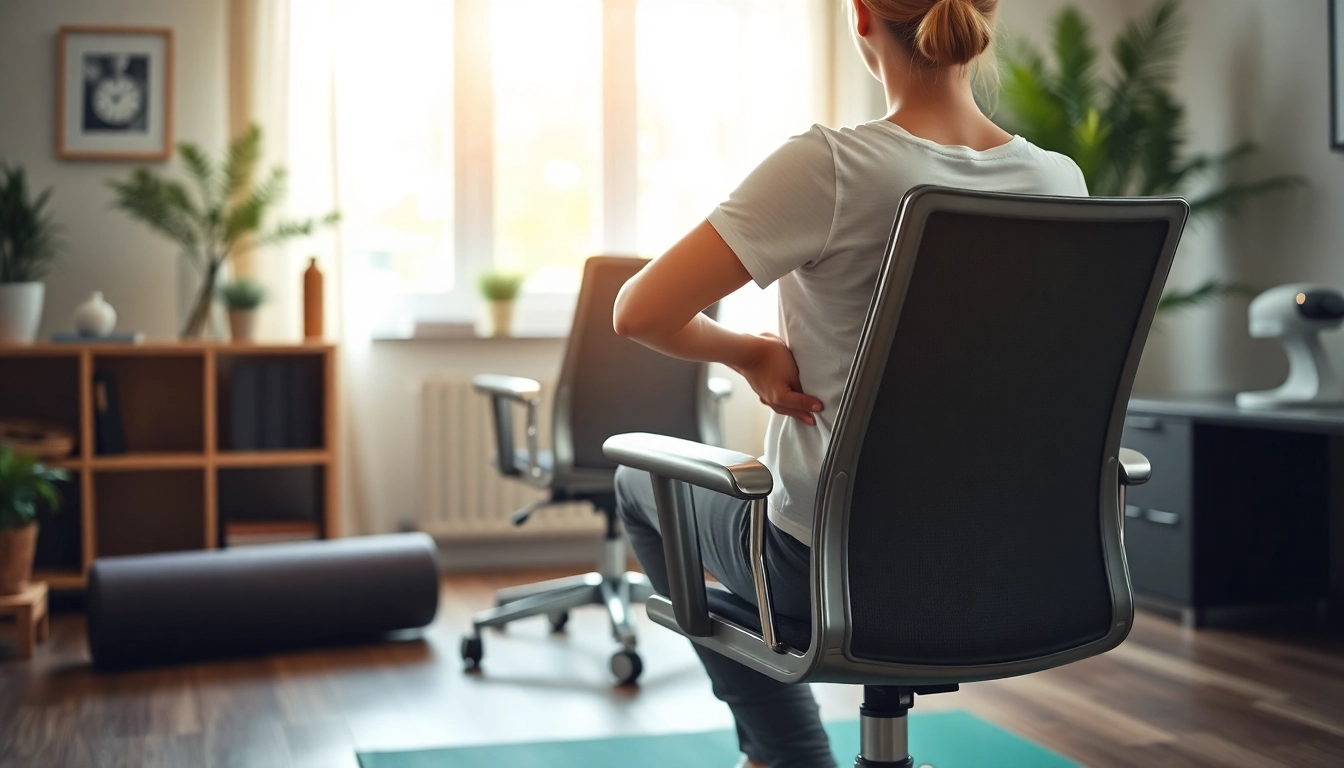
Lower back pain is a prevalent condition affecting millions globally, impacting productivity, emotional well-being, and overall quality of life. Understanding its causes, symptoms, and the way it influences daily activities is crucial for effective management and recovery. Many people explore options for lower back pain treatment without truly knowing what triggers their discomfort.
Common Causes of Lower Back Pain
The causes of lower back pain can be categorized into several broad themes:
- Muscle or Ligament Strain: Heavy lifting, awkward movements, and prolonged sitting can strain the muscles and ligaments in the lower back.
- Herniated or Bulging Discs: Discs act as cushions between vertebrae, and when they bulge or rupture, they can press on nerves, causing pain.
- Arthritis: Osteoarthritis can lead to narrowing of the space around the spinal cord, resulting in back pain.
- Skeletal Irregularities: Conditions like scoliosis can cause uneven stress on the spine, leading to chronic pain.
- Osteoporosis: Weak and brittle bones can lead to fractures, often in the vertebrae.
Symptoms and Diagnosis
Symptoms of lower back pain can vary widely. Common indicators include:
- Aching or stiffness in the lower back
- Pain that radiates down the leg
- Limited range of motion
- In severe cases, numbness or tingling in the legs
Diagnostic methods often involve physical examinations, imaging tests like X-rays or MRIs, and evaluating the patient’s medical history to help pinpoint the underlying issue.
Impact on Daily Life
Lower back pain can significantly disrupt daily activities, affecting everything from work performance to recreational pursuits. Individuals may experience limitations in their capacity to lift, bend, or sit for prolonged periods. This often leads to emotional repercussions, such as anxiety or depression related to chronic pain. The social aspect can also be impacted, as hurting patients might withdraw from activities they once enjoyed.
Holistic Approaches to Lower Back Pain Treatment
Adopting a holistic approach can offer multifaceted relief and foster long-lasting recovery.
Physical Therapy Techniques
Physical therapy plays a vital role in treating lower back pain. Experienced therapists often employ a range of techniques, including:
- Manual Therapy: Hands-on techniques to improve tissue mobility and reduce pain.
- Exercise Prescription: Creating individual workout plans targeting specific muscle groups to build strength around the lumbar region.
- Heat and Cold Therapy: Using temperature changes to improve circulation and alleviate muscle tension.
Regular sessions can help patients regain strength and mobility, contributing greatly to their recovery journey.
Mindfulness and Relaxation Methods
Stress plays a significant role in muscle tension and pain perception. Mindfulness practices such as meditation, yoga, and deep breathing exercises can offer valuable tools for managing pain and reducing stress levels. Focusing on relaxation helps lower blood pressure and heart rates, often alleviating discomfort and contributing to better overall well-being.
Nutritional Support for Recovery
Nutrition impacts healing processes. A diet rich in anti-inflammatory foods, such as fatty fish, nuts, seeds, and colorful vegetables, can help reduce inflammation in the body and support recovery. Adequate hydration, vitamins, and minerals are equally essential for muscle function and repair, enhancing the effectiveness of other treatment modalities.
Exercise Strategies for Lower Back Pain Relief
Incorporating the right exercises can strengthen the back and core muscles, essential for preventing pain and promoting a healthy spine.
Strengthening Core Muscles
The core muscles, encompassing the abdominal and back muscles, stabilize the spine and pelvis. Exercises like planks, bridges, and bird-dogs are beneficial for building this muscle group, thereby providing better support for the lower back and reducing the risk of injury.
Stretching and Mobility Exercises
Flexibility is crucial for spinal health. Regularly practicing stretching exercises, such as cat-cow stretches and seated toe reaches, can improve flexibility and reduce tension. Incorporating mobility work into your routine can enhance muscle elasticity, improving overall performance during physical activities.
Safe Practices for Preventing Re-injury
After treatment, it’s essential to implement strategies that prevent re-injury. This may include maintaining proper posture during everyday activities, utilizing correct lifting techniques, and incorporating regular physical activity into your lifestyle. Additionally, understanding your body signals when it requires rest can be key to avoiding setbacks during recovery.
Professional Treatments for Lower Back Pain
When home remedies and exercises don’t yield the desired results, professional treatments may become necessary.
Chiropractic Adjustments
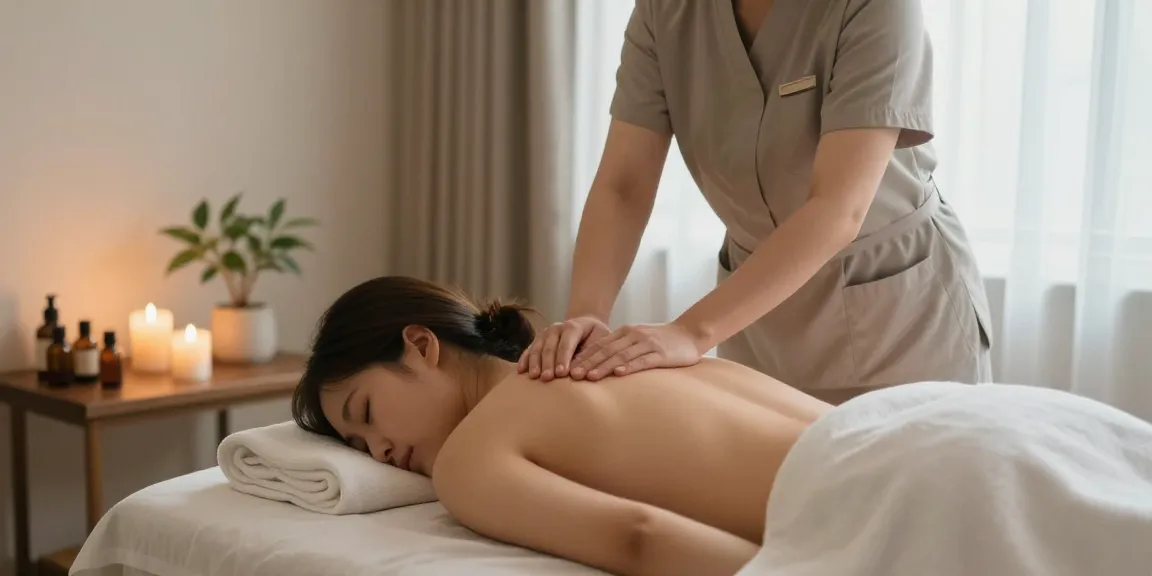
Chiropractic care focuses on diagnosing and treating musculoskeletal disorders through manual adjustment and manipulation of the spine. Chiropractors assess spinal alignment and use hands-on adjustments to help restore mobility, relieve pain, and support overall recovery for patients experiencing lower back pain.
Medication Options
Pain relief options can include over-the-counter medications like ibuprofen or acetaminophen, which can alleviate pain and reduce inflammation. For more severe cases, doctors may prescribe muscle relaxants or anti-inflammatory medications. It’s significant to follow a healthcare professional’s guidance to ensure safe use and prevent complications.
Advanced Therapeutic Techniques
Advanced treatments such as acupuncture, massage therapy, and the use of transcutaneous electrical nerve stimulation (TENS) have proven effective for many individuals. These modalities can help reduce muscle tension, improve circulation, and stimulate the natural healing processes of the body.
Frequently Asked Questions About Lower Back Pain Treatment
What are the most effective home remedies?
Common home remedies include using a heating pad for muscle relaxation, applying ice packs to reduce inflammation, and maintaining gentle stretches to enhance mobility.
How long should treatment last?
The duration of treatment varies individually, depending on the severity of pain. Typically, a few weeks to several months is common, with consistent efforts yielding the best results.
When to see a doctor?
If back pain persists for over a couple of weeks, worsens, or is combined with symptoms like leg numbness, it is advisable to seek professional medical advice.
Are there specific exercises I should avoid?
High-impact activities such as heavy lifting, twisting movements, or intense cardio can exacerbate lower back problems and should be approached with caution or avoided altogether until cleared by a professional.
Can lower back pain treatment help prevent future issues?
Yes, effective treatment and incorporating preventive strategies like regular exercise, ergonomic adjustments, and proper posture can significantly decrease the likelihood of future lower back issues.