Understanding the Appeal of Cape Cod Homes
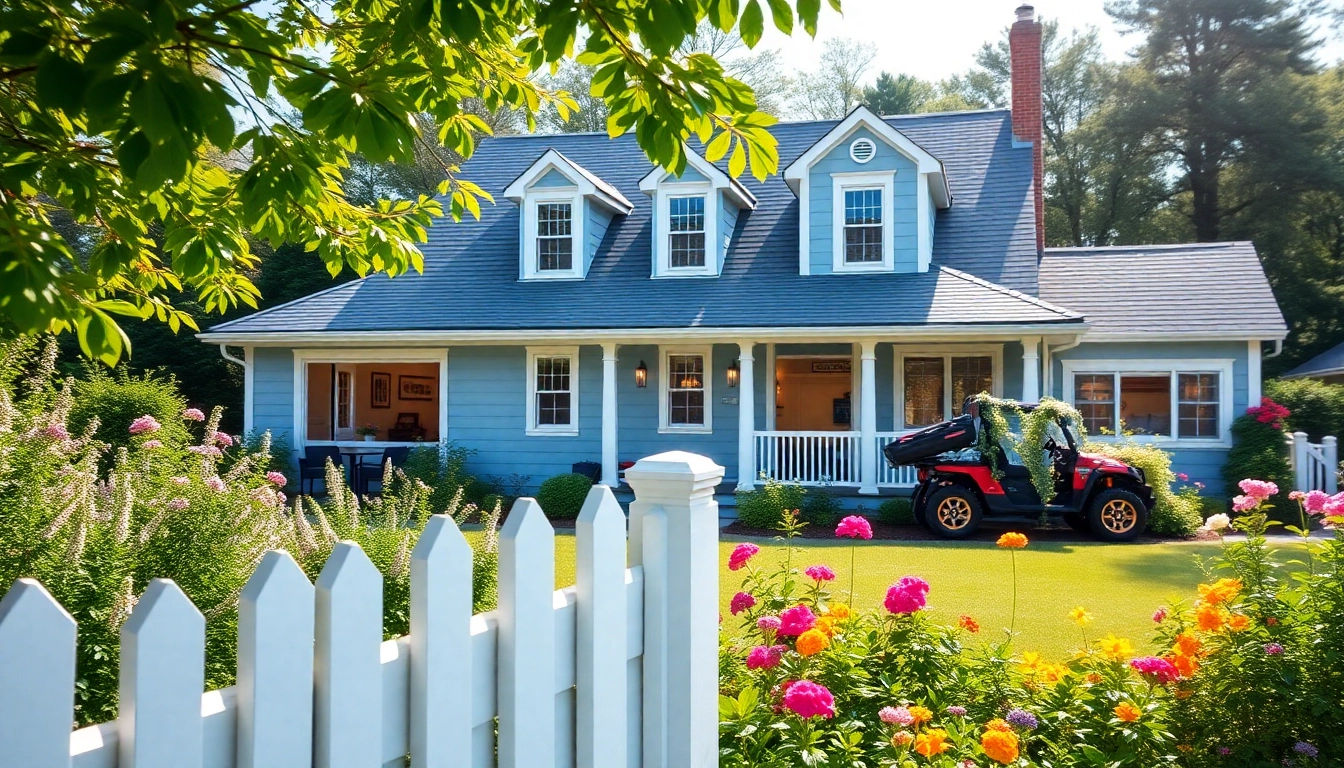
Renowned for their charm and functionality, cape cod homes embody a unique architectural style that appeals to many homeowners. With roots in 17th-century New England, these homes are as much a part of American history as they are icons of effortless living. Their timeless aesthetic, coupled with practical designs, offers a perfect harmony between beauty and utility.
Historical Significance of Cape Cod Homes
The Cape Cod home style originated in the early 1600s, when early settlers sought to create a sturdy and efficient dwelling that could withstand harsh winters. Simple, sturdy, and built with local materials, these homes reflect the pragmatic spirit of the early colonial inhabitants. The classic design features steep roofs, dormer windows, and clapboard siding, all crafted to mitigate the impact of coastal storms and snow accumulation. Over the years, this architectural form has become emblematic of coastal New England, evoking feelings of nostalgia and warmth for those who call it home.
Architectural Features and Design Elements
Characterized by their symmetrical facades and steeply pitched roofs, Cape Cod homes display a variety of architectural features that contribute to their appeal. Common elements include:
- Symmetrical Design: Typically one or one-and-a-half stories, the symmetrical layout emphasizes balance and harmony, reflecting the simplicity of colonial architecture.
- Central Chimney: Serving both functional and decorative purposes, the central chimney is a prominent feature that enhances the home’s visual appeal while providing necessary heating.
- Dormer Windows: These structures extend from the roofline, allowing for natural light in the upper levels while adding character to the exterior.
- Wooden Siding: Traditionally painted in muted colors, the clapboard siding can also be presented in shades that reflect the natural surroundings, seamlessly connecting the home to its environment.
Modern Adaptations of Cape Cod Homes
While the historic elements of Cape Cod homes remain popular, modern adaptations have emerged to accommodate contemporary lifestyles. This can include:
- Open Floor Plans: Many homeowners are opting for open spaces that allow for greater light flow and social interaction.
- Green Technologies: Eco-friendly materials and energy-efficient systems are increasingly integrated into new designs, focusing on sustainability without sacrificing charm.
- Innovative Extensions: Homeowners are expanding their spaces with attached garages and additional rooms that complement the original design while enhancing functionality.
Planning Your Cape Cod Home Expansion
As you consider expanding your Cape Cod home, thoughtful planning ensures that the expansion meets both functional needs and aesthetic values. Here are key areas to focus on:
Assessing Your Space and Needs
Before embarking on your project, evaluate your current space. Consider the following:
- Family Needs: How many additional rooms or spaces do you require? This often aligns with family size and lifestyle.
- Functionality: Understand how the additional space will be utilized—whether for recreational, work, or storage purposes.
- Site Considerations: Assess your lot size, zoning regulations, and existing landscaping to determine the most effective layout for your expansion.
Permits and Regulations for Expansions
Every construction or renovation project requires an understanding of relevant zoning laws and building codes to ensure compliance. Here are some steps to follow:
- Research Local Regulations: Contact your local zoning office to discuss restrictions on home expansions.
- Obtain Necessary Permits: Depending on your area, you may need building permits, especially for structural changes or significant modifications.
- Consult Professionals: Working with architects and contractors familiar with local requirements can streamline the process, preventing potential legal issues.
Budgeting for Your Project
Effective budgeting is crucial for successful home expansion. Consider these steps to develop a comprehensive budget:
- Research Costs: Determine the cost of materials, labor, and permits while allowing for potential price fluctuations.
- Include Contingency Funds: Allocate funds for unexpected expenses that may arise during construction.
- Source Financing Options: Explore options such as home equity loans, personal loans, or financing through contractors to cover costs.
Design Ideas for Attached Garages
Adding an attached garage to your Cape Cod home offers both practicality and curb appeal. Here are some thoughtful design ideas:
Functional Layouts and Space Optimization
The layout of your attached garage should prioritize usability while maximizing available space. Consider these functional aspects:
- Accessibility: Ensure that the garage is easily accessible from both the home and the street. A smooth transition from the garage to the main living areas enhances convenience.
- Storage Innovations: Include built-in shelving and organizational solutions to optimize storage without compromising space.
- Workshop Area: If you enjoy DIY projects, consider incorporating a designated workshop space in the design.
Aligning Style with Cape Cod Aesthetics
Your garage should reflect the aesthetic of your Cape Cod home to maintain visual harmony. Some styling tips include:
- Matching Materials: Utilize the same materials and colors as the main house to create a seamless flow between structures.
- Architectural Features: Incorporate dormers or matching rooflines to tie the garage visually to the rest of the home.
- Landscaping Considerations: Plant shrubs and flowers around the garage entrance to maintain a cohesive landscape design.
Eco-Friendly Options for Garage Construction
Integrating sustainable practices and materials into your garage design not only benefits the environment but can also enhance the overall value of your home. Explore sustainable options, such as:
- Reclaimed Materials: Use reclaimed wood, metal, or bricks to reduce environmental impact and add unique character.
- Solar Panels: Installing solar panels on the garage roof can help offset energy costs.
- Energy-Efficient Insulation: Select eco-friendly insulation options to keep the garage comfortable while reducing energy consumption.
Enhancing Curb Appeal with Landscaping
The beauty of Cape Cod homes is complemented by thoughtful landscaping. Here are strategies to enhance your home’s curb appeal effectively:
Choosing the Right Plants and Features
Opt for plants that thrive in your local climate and match the aesthetic of your Cape Cod home. Consider:
- Native Plants: Incorporating native species ensures better adaptation to local soil and weather, requiring less maintenance.
- Garden Borders: Use gravel or brick borders to define flower beds and create an organized, tidy appearance.
- Seasonal Blooms: Choose a mix of perennials and annuals for continuous color throughout the seasons.
Integrating Outdoor Spaces with Your Home
Creating seamless transitions between indoor and outdoor spaces can maximize the functionality and aesthetic of your home.
- Patios and Decks: Build outdoor living areas that provide additional spaces for entertaining or relaxing.
- Walkways: Design pathways that guide guests from driveways to entrances, integrating walkways with the natural landscape.
- Outdoor Lighting: Install tasteful lighting to highlight landscaping features and enhance security in dusk and evening hours.
Seasonal Maintenance Tips
Consistent upkeep boosts curb appeal and the longevity of both the home and landscaping. Consider these seasonal maintenance tips:
- Spring: Clean garden beds and begin planting, ensuring that all perennials are healthy.
- Summer: Water gardens diligently and monitor for pests, regularly weeding and trimming plants as needed.
- Fall: Rake leaves, cut back perennials, and prepare gardens for winter dormancy, ensuring protection from harsh weather.
- Winter: Protect delicate plants and remove heavy snow from branches to prevent breakage; consider snow removal strategies for pathways.
Frequently Asked Questions About Cape Cod Homes
What defines a Cape Cod home?
A Cape Cod home is characterized by its pitched roof, symmetrical facade, dormer windows, and simple design. These homes typically reflect colonial-era architecture, built to withstand harsh weather conditions.
How can I expand my Cape Cod home effectively?
Begin by assessing your space and current needs, ensuring you comply with local regulations. Collaborate with professionals to envision a design that integrates well with the existing structure while meeting your requirements.
What are the best styles for attached garages?
Choose styles that harmonize with your Cape Cod home’s aesthetic, such as gabled roofs or matching siding materials. Ensure the garage layout is functional without hindering access to the home.
How do I enhance the landscaping around my Cape Cod home?
Incorporate native plants, create defined garden borders, and ensure outdoor living spaces smoothly transition from the home. Regular maintenance is key to preserving visual appeal and health.
Are there sustainable options for Cape Cod home expansions?
Yes, you can utilize reclaimed materials, energy-efficient systems, and integrate green technologies, such as solar panels, to create environmentally friendly and functional home expansions.