Understanding Colonial Home Construction
Colonial home construction brings timeless elegance and cultural significance to modern architecture. With roots tracing back to early American settlers, this style blends functionality and aesthetics. When you consider colonial home construction, you are engaging with a design ethos that emphasizes symmetry, proportion, and classic detailing, making it a popular choice for homeowners today.
Defining Colonial Architecture
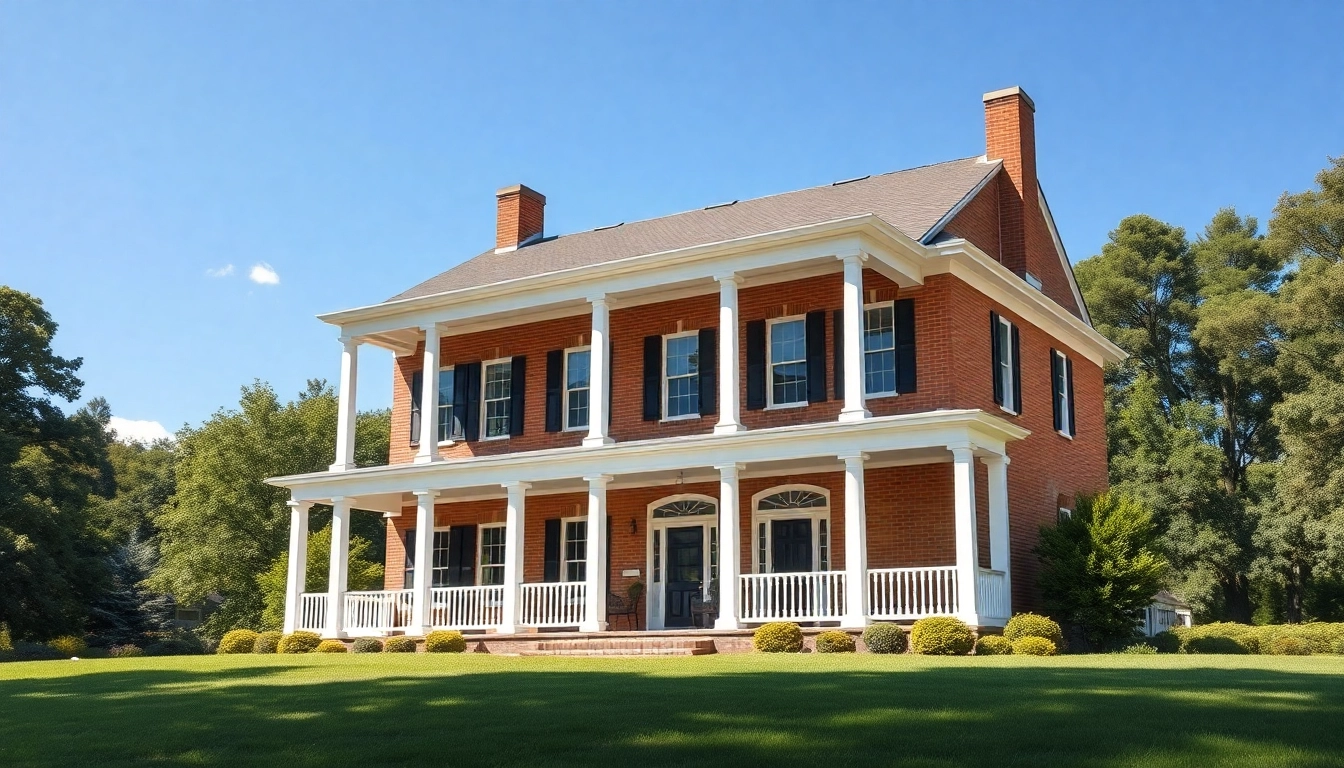
Colonial architecture refers to a series of architectural styles that emerged in the 17th and 18th centuries, primarily influenced by the cultures and traditions of the settlers. The term encompasses a variety of regional styles, including Georgian, Federal, and Dutch Colonial. Each variation reflects its local geography, climate, and cultural backgrounds, making Colonial architecture diverse yet cohesive. The architectural identity is often characterized by simple lines, gabled roofs, and expert craftsmanship that have transcended generations.
Key Features of Colonial Homes
Colonial homes showcase a distinct set of features that define their elegance and practicality:
- Symmetrical Facades: Colonial homes are celebrated for their balanced proportions, often with a centered front door flanked by evenly spaced windows.
- Gabled Roofs: Steeply pitched roofs are a hallmark, echoing the styles of European origins and providing efficient drainage and attic space.
- Classical Detailing: From pediments to columns and moldings, Colonial architecture often incorporates elements drawn from classical antiquity, enhancing visual beauty.
- Large Fireplaces: These homes feature prominent chimneys and fireplaces that serve as central focal points in living spaces.
- Natural Materials: Wood, brick, and stone are commonly used, both for aesthetics and durability, reflecting the craftsmanship of the era.
Benefits of Building Colonial Homes
Opting for a Colonial home offers numerous advantages:
- Timeless Appeal: The classic look of Colonial homes never goes out of style, ensuring lasting value and marketability.
- Space Efficiency: Designed to maximize interior space, these homes often have generous room layouts, ideal for family living.
- Energy Efficiency: Traditional construction methods can afford better insulation, helping to lower energy costs.
- Rich History: A Colonial home is steeped in history and offers a unique connection to America’s architectural heritage.
- Adaptability: While maintaining traditional aesthetics, Colonial designs can be adapted with modern amenities and layouts to suit contemporary lifestyles.
Planning Your Colonial Home Construction
Choosing the Right Location
The location of your Colonial home plays a critical role in its overall appeal and functionality. Consider factors such as proximity to schools, work, and recreational facilities. A desirable neighborhood with historical significance may enhance your home’s value. Additionally, assess the local climate, as it influences design decisions, from roof steepness to material choices that ensure durability.
Design Considerations for Colonial Homes
Distinct design elements should be integrated into your Colonial home to reflect its heritage. Here are prime design considerations:
- Floor Plan: Open-concept living spaces can be combined with traditional layouts that promote family interaction.
- Exterior Elements: Incorporating traditional shutters, window boxes, and brick or clapboard siding enhances the Colonial aesthetic.
- Interior Layout: Maintaining symmetry with rooms placed equidistant to a central hallway reinforces Colonial design principles.
- Modern Touches: While preserving heritage, modern amenities like smart home technology can be seamlessly integrated without compromising the classic design.
Budgeting and Financing Options
Constructing a Colonial home requires careful financial planning. Start by estimating costs associated with land acquisition, materials, labor, and permits. Engage with local builders to get accurate estimates of construction costs. Explore financing options such as:
- Conventional Mortgages: Traditional loans with fixed or variable interest rates.
- FHA Loans: Government-backed loans suitable for first-time homebuyers.
- Construction Loans: Short-term loans designed to cover the cost of building phase.
Consulting with a financial advisor can help identify the best route that aligns with your financial situation and goals.
Materials for Colonial Home Construction
Traditional Materials Used
Using the right materials is paramount to achieving authenticity in Colonial home construction. Traditionally, Colonial homes utilized a variety of materials such as:
- Wood: Used for framing, siding, and architectural details.
- Brick: Commonly employed in foundations and facades, offering durability and aesthetic appeal.
- Stone: Especially in northern designs, stone provides insulation and a timeless quality.
Modern Alternatives in Colonial Design
As building technologies evolve, modern materials can provide alternatives that maintain the Colonial appearance while enhancing durability and efficiency. These include:
- Fiber-Cement Siding: A cost-effective, durable alternative that mimics traditional wood.
- Engineered Wood Products: Designed to reduce waste and provide better longevity than traditional hardwood.
- Insulated Concrete Forms: They offer better energy efficiency and structural integrity compared to traditional materials.
Durability and Maintenance Considerations
Colonial homes, with appropriate material selection, can last for generations. Durability considerations should focus on:
- Regular Maintenance: Scheduling inspections and upkeep, particularly for roofing and siding, to avoid costly repairs.
- Weather Resistance: Choosing materials that withstand local weather conditions can reduce wear and tear.
- Energy Efficiency: Investing in proper insulation and energy-efficient windows contributes to lower energy costs and enhances comfort.
Executing Your Colonial Home Construction
Selecting an Architect and Builder
The selection of an architect and builder is crucial in realizing your Colonial home vision. Look for professionals with experience in Colonial designs and proven track records. Ask for portfolios to evaluate their craftsmanship and attention to detail. Effective communication with both your architect and builder can significantly impact the project’s success. Engage with them early to ensure design alignment and feasibility.
Understanding Local Building Codes
Every locality has specific building codes and regulations that must be adhered to when constructing a home. Familiarize yourself with zoning laws, building permits, and compliance requirements essential to Colonial home construction. These regulations often dictate aspects like height restrictions, architectural styles, and energy efficiency standards.
Timeline for Completion
Establishing a timeline for your Colonial home construction helps in managing expectations and schedules. A typical construction timeline includes:
- Pre-construction Phase: 1-3 months to finalize designs and permits.
- Foundation and Framing: 2-4 months depending on project size.
- Interior and Exterior Finishing: 3-6 months as it encompasses details and materials.
- Inspection and Handover: 1 month for final checks and moving in.
Flexibility can be beneficial, but maintain regular communication with your builder to stay on track.
Enhancing Your Colonial Home After Construction
Interior Design Tips for Colonial Homes
Once your Colonial home is completed, interior design plays a significant role in enhancing its beauty. Key tips include:
- Elegant Color Palettes: Utilize warm, timeless colors that reflect the Colonial era, like creams, deep blues, and muted greens.
- Authentic Furnishings: Incorporating traditional styles of furniture, such as Chippendale or Shaker, adds character.
- Art and Décor: Use artwork and decorations that tell stories of the Colonial period, including portraits and historical artifacts.
Landscaping Ideas to Compliment Your Style
Landscaping can create a cohesive connection between your home and its natural surroundings. Consider:
- Symmetrical Layouts: Frame your home with symmetrical flower beds and pathways that echo the home’s architecture.
- Classic Plant Choices: Boxwoods, hydrangeas, and ornamental grasses align well with Colonial aesthetics.
- Functional Outdoor Spaces: Include patios and gardens that provide areas for relaxation and family gatherings.
Energy Efficiency Upgrades for Colonial Homes
To ensure your Colonial home remains efficient, plan for sustainability through:
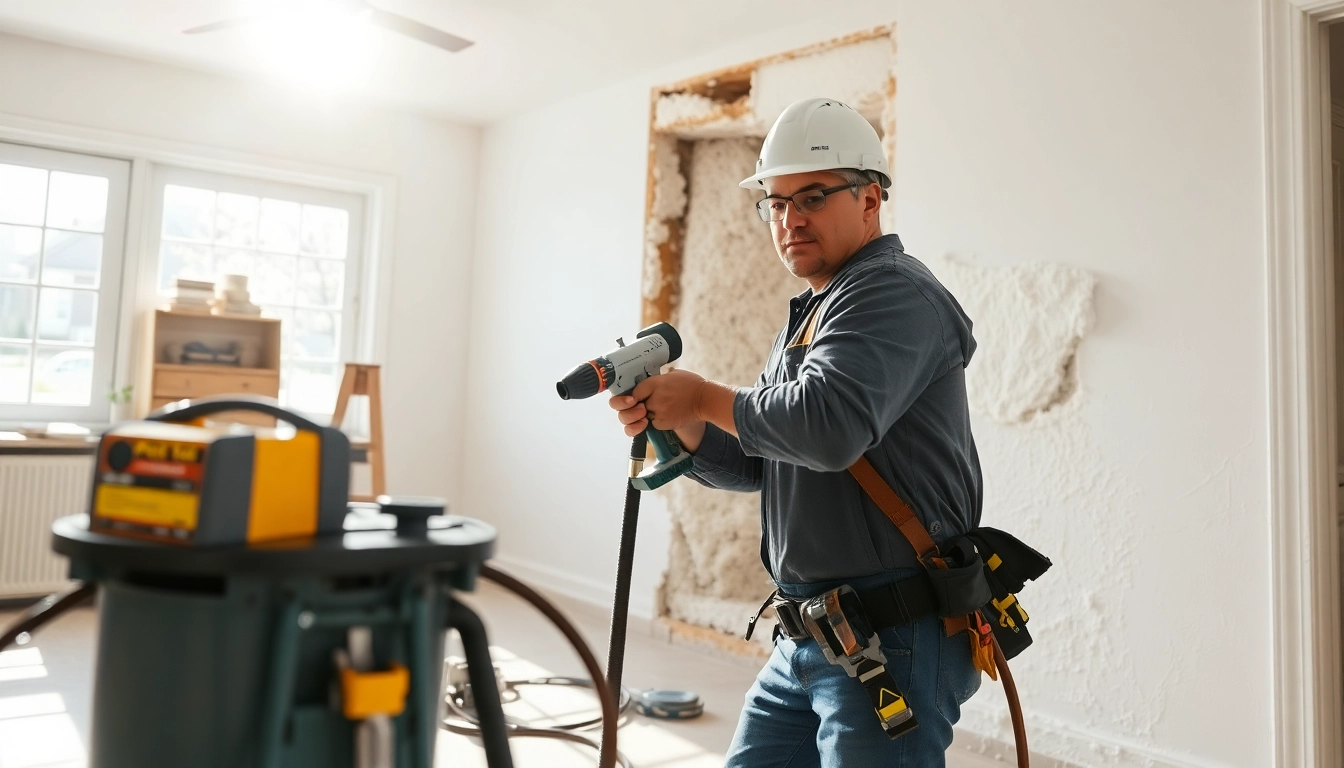
- Insulation Improvements: Enhance insulation in walls and attics to improve energy retention.
- High-Efficiency Windows: Install double or triple-pane windows to minimize heat transfer.
- Smart Home Technologies: Integrating smart thermostats and automated lighting systems can significantly reduce energy consumption.
Frequently Asked Questions
What defines a Colonial home?
A Colonial home is typically characterized by its symmetrical design, gabled roof, and classical detailing, reflecting America’s early architectural influences.
How long does Colonial home construction take?
The construction timeline varies but often takes around 6-12 months, depending on design, size, and other factors such as weather and local regulations.
What are common materials used in Colonial construction?
Traditional materials include wood, brick, and stone, chosen for their aesthetic appeal and durability; modern alternatives can enhance efficiency while maintaining style.
How can I enhance the energy efficiency of my Colonial home?
Improvements can include adding proper insulation, installing high-efficiency windows, and utilizing smart technology to monitor energy use for optimal savings.
Are Colonial homes still popular today?
Yes! Colonial homes remain a popular choice for their timeless elegance, adaptable design, and the connection they offer to America’s historical roots.