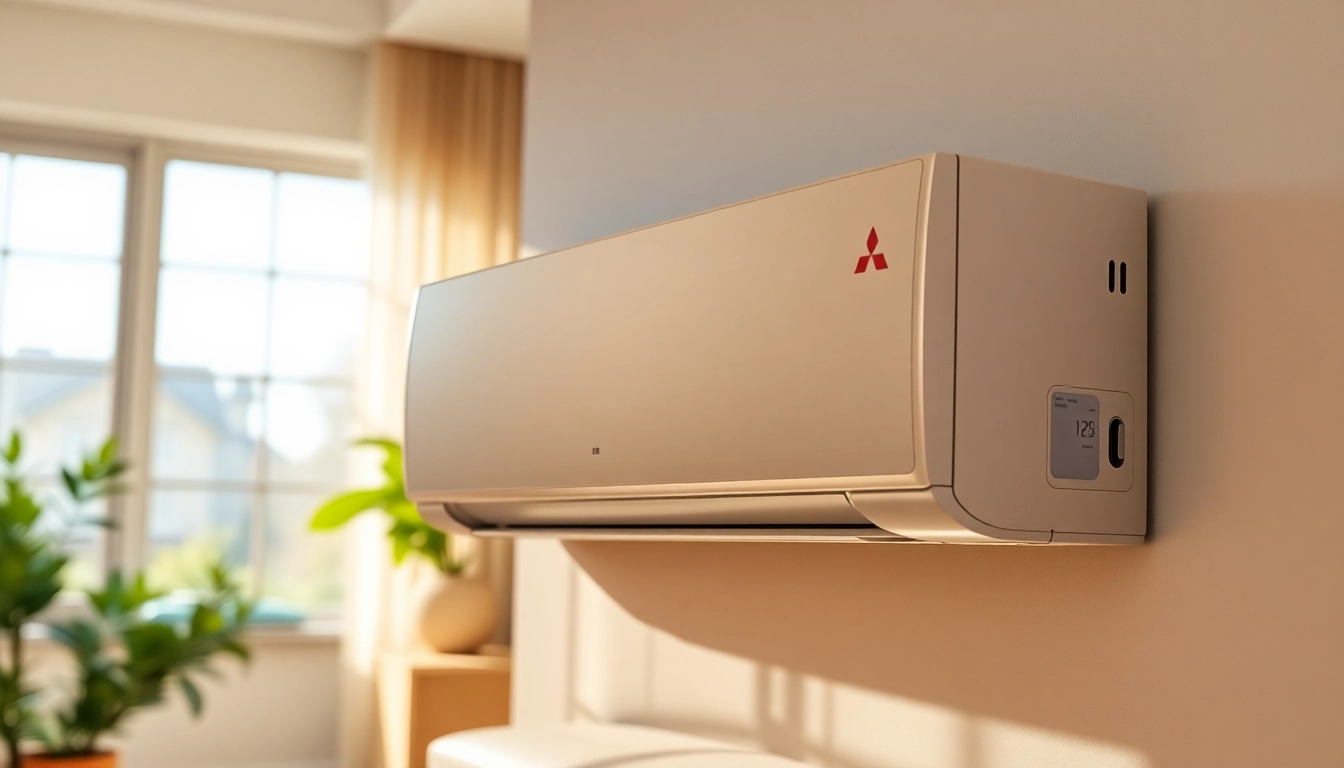
Introduction to Mitsubishi Mini Split AC
When it comes to maintaining a comfortable indoor environment, the mitsubishi mini split ac systems are emerging as a popular choice among homeowners and businesses alike. This article will explore the intricacies of this HVAC solution, delving into its features, benefits, installation considerations, and maintenance practices, equipping you with all the knowledge needed to make an informed decision.
What is a Mitsubishi Mini Split AC?
A Mitsubishi mini split AC is a type of ductless air conditioning system designed to efficiently cool or heat specific areas without the need for extensive ductwork. These systems consist of two main components: an indoor unit that blows conditioned air into the room and an outdoor compressor unit that circulates refrigerant. The technology behind mini split systems allows for flexibility in design and installation, making them ideal for various residential and commercial applications.
Key Features and Advantages
The Mitsubishi mini split AC systems stand out due to their advanced features and operational advantages. Key features include:
- Energy Efficiency: Mitsubishi systems are engineered with SEER (Seasonal Energy Efficiency Ratio) ratings that often exceed those of traditional window or central air conditioning units.
- Zone Control: With the capability to control the temperature in different rooms independently, users can maintain comfort while optimizing energy use.
- Quiet Operation: Designed to operate silently, these units create a peaceful environment, ideal for bedrooms and offices.
- Flexible Installation: Their ductless nature allows for installation in buildings where traditional ducting is impractical or too expensive.
How It Compares to Traditional Systems
When comparing Mitsubishi mini split AC systems to traditional HVAC systems, several distinctions arise:
- Ductless vs. Ducted: Traditional systems typically require ducts, which can lead to energy loss. In contrast, mini splits avoid this issue altogether.
- Installation Complexity: Mini split systems involve less invasive installation procedures, which can significantly reduce costs and installation time.
- Energy Savings: Due to their efficiency and zoned cooling/heating capabilities, mini splits often lead to reduced energy bills in comparison to central systems.
Benefits of Using Mitsubishi Mini Split AC
The benefits of utilizing a Mitsubishi mini split AC extend beyond just temperature control. Here’s a deeper look into the advantages offered by this innovative system.
Energy Efficiency Explained
Energy efficiency is a cornerstone of the Mitsubishi mini split AC design. With high SEER ratings, these systems consume less power while delivering effective cooling and heating. The inverter technology used in many Mitsubishi models adjusts the compressor speed based on the necessary output, which minimizes energy wastage and reduces electricity costs. Consequently, homeowners can enjoy a comfortable environment without incurring exorbitant utility bills.
Advanced Climate Control
Mitsubishi mini split AC systems provide sophisticated climate control features that cater to individual needs. The units can be configured to operate in different modes, including cooling, heating, and dehumidification. Furthermore, the ability to set different temperatures for various rooms allows users to prioritize comfort in frequently occupied spaces while conserving energy in lesser-used areas. This level of control is not possible with traditional air conditioning systems.
Quiet Operation and User Comfort
Few things are as disruptive as a noisy air conditioning system. Mitsubishi mini split AC units are renowned for their whisper-quiet operation, providing users with a serene and pleasant atmosphere. This is especially important in environments requiring focus, such as offices or bedrooms. The low decibel levels of these units ensure that users can enjoy optimal comfort without the distraction of loud machinery.
Installation Considerations for Mitsubishi Mini Split AC
When contemplating the installation of a Mitsubishi mini split AC, several factors must be taken into account to ensure a successful and efficient setup.
Choosing the Right Size and Model
One of the most critical aspects of installing a mini split system is selecting the appropriate size and model. An undersized unit may struggle to cool or heat a space effectively, while an oversized unit can lead to excessive energy consumption and discomfort due to short cycling. Consulting with a professional HVAC technician can help determine the right BTU (British Thermal Unit) capacity required to match the specific needs of your space, thus optimizing performance and efficiency.
Professional vs DIY Installation
While some homeowners may be tempted to tackle the installation of a Mitsubishi mini split AC themselves, professional installation is often recommended. Professionals have the training and experience to ensure that the system is installed correctly, maintaining optimal performance and energy efficiency. Additionally, professional installation often comes with warranties and support, giving homeowners peace of mind.
Common Mistakes to Avoid
A few common pitfalls can lead to suboptimal performance during the installation process:
- Choosing the wrong size unit can lead to unnecessary expenses and ineffective cooling/heating.
- Neglecting to accurately place indoor and outdoor units can affect airflow and system efficiency.
- Improper insolation of refrigerant lines may lead to energy losses and reduced system lifespan.
Maintenance and Care for Mitsubishi Mini Split AC
Regular maintenance is crucial to prolonging the lifespan of your Mitsubishi mini split AC and ensuring it runs at peak efficiency. Here are essential maintenance practices.
Routine Maintenance Tips
To keep your Mitsubishi mini split AC in top condition, adhere to the following maintenance tips:
- Clean or Replace Filters: Dirty filters can severely hinder airflow and efficiency. Clean or replace filters every 1–3 months to avoid issues.
- Inspect Ductwork: Examine ductwork for leaks or obstructions. This ensures that the system is not losing valuable conditioned air.
- Schedule Professional Inspections: Annually, have a professional technician examine the system for any potential issues and perform deep cleaning.
Recognizing Common Issues
Being proactive about identifying issues can prevent more significant problems down the line. Common issues include:
- Unusual noises emanating from the unit can indicate problems with motors or fans.
- Inconsistent temperatures between rooms may suggest that the indoor units require recalibration or servicing.
- Increased energy consumption can signal that the unit is losing efficiency or requires repair.
Extending the Lifespan of Your AC
To maximize the lifespan of your Mitsubishi mini split system, consider the following practices:
- Use the system in “auto” mode to maintain optimal temperatures without overworking the unit.
- Keep the outdoor unit clear of debris and vegetation to ensure adequate airflow.
- Avoid using the mini split system for extended periods at extremely low temperatures, as this can strain the compressor.
FAQs About Mitsubishi Mini Split AC Systems
What is the ideal temperature setting for efficiency?
The ideal temperature setting for maximum efficiency is typically around 75°F–78°F. This range balances comfort and energy usage effectively.
How often should I clean the filters?
Filters should be cleaned or replaced every 1-3 months, especially during peak usage seasons, to maintain optimal performance and air quality.
Can Mitsubishi mini split AC heat effectively in winter?
Yes, many Mitsubishi systems feature a heat pump function that allows them to effectively heat spaces even in colder winter months.
What maintenance do I need for energy savings?
Regularly cleaning or replacing air filters, scheduling annual professional maintenance, and ensuring proper airflow can greatly enhance energy savings.
Are there financing options available for installation?
Many HVAC companies offer financing options to help homeowners afford the upfront costs of Mitsubishi mini split AC installation for more manageable payments.