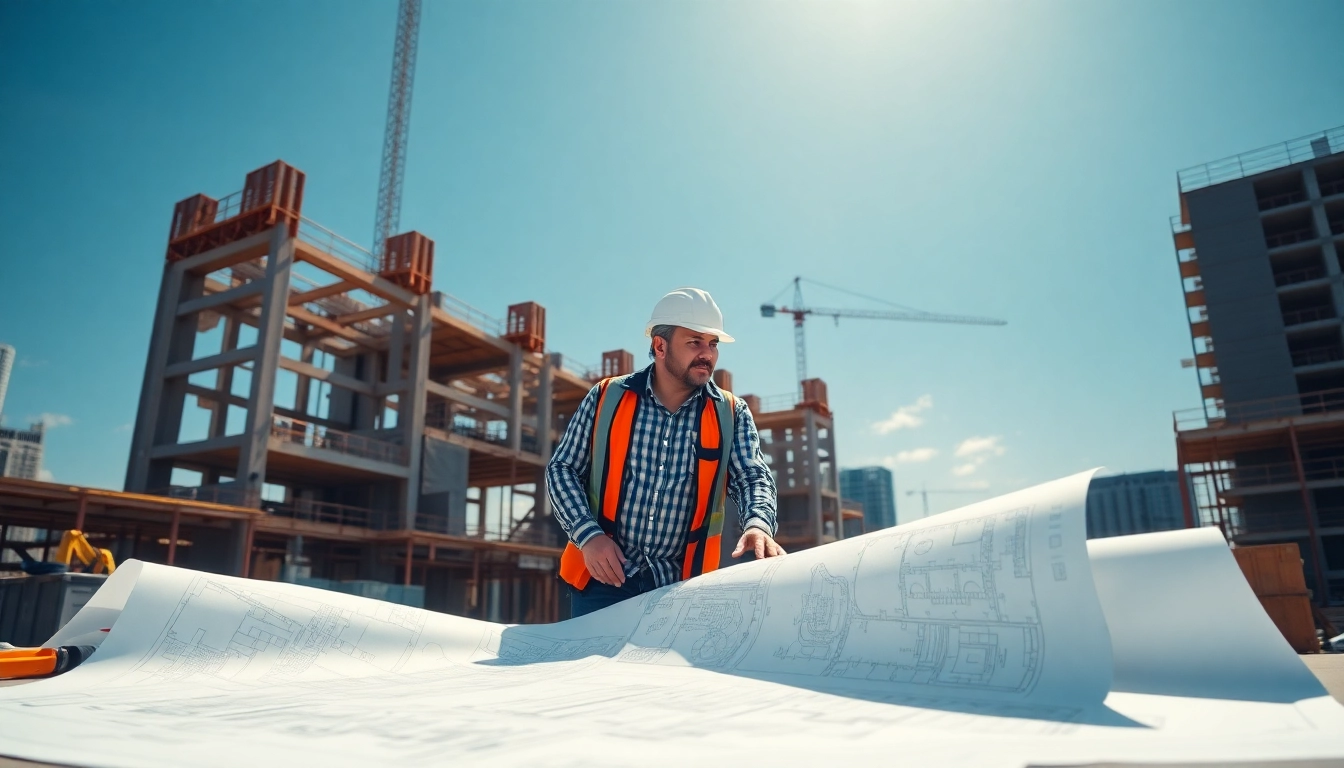
Understanding the Role of a Manhattan Commercial General Contractor
Definition and Key Responsibilities
A Manhattan Commercial General Contractor plays a critical role in construction projects, acting as the primary manager responsible for overseeing various aspects. This entails coordinating with subcontractors, scheduling inspections, and ensuring that the project complies with all regulations and standards. General contractors are the central point of communication for all stakeholders involved, which often includes architects, engineers, suppliers, and clients.
Key responsibilities typically include:
- Project planning and scheduling
- Budget management and cost estimation
- Compliance with safety and building codes
- Quality control and site supervision
- Negotiation with subcontractors and suppliers
Importance in Construction Projects
The importance of a Manhattan Commercial General Contractor cannot be overstated. These professionals ensure that construction projects are completed on time, within budget, and up to the required standards, ultimately driving the success of the project. Their expertise is crucial in:
- Risk Management: They identify potential risks and implement strategies to minimize them, ensuring a smoother workflow.
- Resource Allocation: Effective allocation of resources helps in maintaining the project budget and timeline.
- Quality Assurance: By supervising the work on site, general contractors ensure that workmanship and materials meet the desired quality.
Licensing and Regulations in Manhattan
In Manhattan, it is mandatory for general contractors to be licensed. This requirement is enforced by the New York City Department of Buildings, which sets forth regulations that contractors must adhere to ensure safety and legal compliance. The licensing process involves:
- Providing proof of experience and qualifications
- Submitting a detailed application, including financial disclosures
- Passing examinations that assess knowledge of building codes and safety regulations
Failure to comply with these licensing requirements can result in legal penalties, project delays, and increased costs. Therefore, choosing a contractor with a valid license is crucial for the integrity of any construction project.
Choosing the Right Manhattan Commercial General Contractor
Key Factors to Consider
Choosing the right Manhattan Commercial General Contractor is pivotal to the success of your construction project. Key factors to consider include:
- Reputation: Look for a contractor with a solid reputation in the community. Reviews, referrals, and online testimonials can provide valuable insights into their reliability and professionalism.
- Experience: A contractor’s background in handling projects similar to yours is crucial. This ensures they are familiar with the specific challenges your project might face.
- Communication: Effective communication is essential. Choose a contractor who is responsive and clear in their explanations, as this will facilitate smoother collaboration throughout the project.
Evaluating Experience and Specializations
When evaluating potential contractors, it’s important to assess their experience and specializations. A contractor who specializes in commercial projects will have the necessary skills and insights that may differ from residential construction. Consider the following approaches:
- Project Portfolio: Review their past work to evaluate the quality and scope of their completed projects.
- Specialization Areas: Consider if they have specific expertise in the type of construction you require, whether it’s office renovations, new commercial builds, or retail spaces.
- Case Studies: Request case studies that illustrate their challenges and solutions in prior projects to evaluate problem-solving capabilities.
Recommendations and Testimonials
Gathering recommendations and reading testimonials is an invaluable step in choosing a contractor. Engage with former clients and industry peers who can offer insights into their experiences:
- Client Testimonials: Look for detailed testimonials that highlight specific aspects of the contractor’s work, such as timeliness, budget adherence, and quality.
- References: Don’t hesitate to ask for references directly. A reputable contractor will gladly provide contacts who can vouch for their work.
This proactive approach can significantly enhance your confidence in the contractor’s capabilities before you commit.
The Process of Working with a Manhattan Commercial General Contractor
Initial Consultation and Planning
The first step in working with a Manhattan Commercial General Contractor is the initial consultation. During this phase, both parties align their visions and expectations for the project. Elements to discuss include:
- Project Scope: Clarify what the project entails, including desired timelines and deliverables.
- Budget Considerations: Discuss financial constraints to gauge what is achievable.
- Design Ideas: Share any design concepts or inspirations that can provide a clearer picture of your expectations.
Project Execution and Management
Once the planning phase is complete, the contractor initiates the execution phase, where several key tasks unfold. Effective project management encompasses:
- Scheduling: Creating a detailed timeline for construction phases to ensure timely completion.
- Subcontractor Coordination: Managing subcontractors efficiently and ensuring their work aligns with the overall project goals.
- Progress Monitoring: Regularly checking progress against the schedule and making adjustments as necessary.
Communication and Reporting Practices
Communication is critical throughout the construction process. Establishing clear communication practices can greatly enhance collaboration:
- Regular Updates: The contractor should provide regular updates on project status, including any issues that arise.
- Documentation: All agreements, changes, and approvals should be documented to minimize misunderstandings.
- Feedback Mechanisms: Implementing feedback channels encourages open dialogue and fosters a better working relationship.
Cost Considerations When Hiring a Manhattan Commercial General Contractor
Budgeting for Construction Projects
Budgeting is a cornerstone of successful construction management. A well-defined budget helps in planning, controlling costs, and ensuring that resources are allocated effectively. Here are some budget components to consider:
- Material Costs: Estimate costs for all materials required for the project.
- Labor Costs: Factor in labor costs based on the project scope and timing.
- Contingency Funds: Setting aside a contingency for unexpected expenses is essential to maintain budget integrity.
Understanding Quotes and Estimates
Understanding quotes and estimates is essential before proceeding with any contract. When a contractor provides a quote, ensure it includes:
- Detailed Cost Breakdowns: A clear delineation of costs associated with labor, materials, overhead, and profit margins.
- Inclusions and Exclusions: Ensure you know what is included in the quote and what might incur additional costs.
It’s important to compare multiple quotes while considering the quality and reputation of the contractor, not just the price.
Managing Unexpected Costs
Unexpected costs can arise during construction due to various factors. Effectively managing these expenses is critical:
- Communication: Maintain open lines of communication with the contractor regarding any changes or unforeseen circumstances.
- Agreements on Changes: Any changes to the project should be mutually agreed upon, with revisions made to the budget as necessary.
- Regular Monitoring: Keeping a close eye on expenditures helps catch discrepancies before they escalate.
FAQs About Hiring a Manhattan Commercial General Contractor
What is the typical timeline for a construction project?
The project timeline varies based on complexity, but typically ranges from a few months to over a year.
What qualifications should a general contractor have?
A general contractor should be licensed, insured, and have relevant experience in commercial projects.
How do I resolve disputes with my contractor?
Clear communication and a written contract help resolve disputes; consider mediation if issues persist.
What types of projects can a commercial contractor handle?
They can manage a variety of projects, including office buildings, retail spaces, and industrial structures.
How is payment typically structured for contractors?
Payments can be milestone-based, progress payments, or a lump sum, depending on the contract terms.