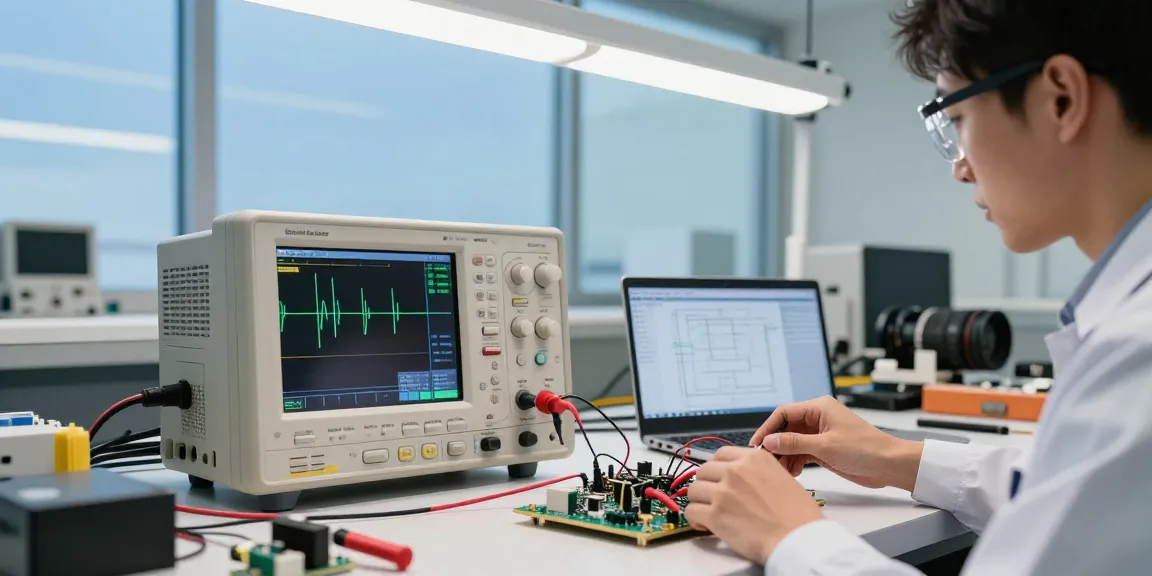
Understanding Portable Oscilloscopes
Portable oscilloscopes have revolutionised the way electronics professionals and hobbyists conduct measurements and diagnostics. Designed for on-the-go use, these devices combine the essential functions of traditional oscilloscopes with enhanced portability, allowing users to tackle a variety of tasks in different environments. Whether for field testing, automotive diagnostics, or educational purposes, portable oscilloscopes are a necessity for anyone working in electronics today. When exploring options, Portable Oscilloscope provides comprehensive insights into the most versatile solutions currently available.
What is a Portable Oscilloscope?
A portable oscilloscope is a compact, battery-operated device used to measure and display electrical signals. Unlike traditional bench models, these oscilloscopes are designed for mobility without compromising on features. They typically offer similar functionalities, such as waveform viewing, triggering, and measurement capabilities, yet they come in a lightweight, easy-to-carry form. This makes them an ideal choice for engineers, technicians, and hobbyists who require flexibility in their work environments.
Key Features of Portable Oscilloscopes
- Battery Operation: Most portable oscilloscopes come with rechargeable batteries, allowing for use in the field without the need for a power outlet.
- Compact Design: Designed to fit easily in toolkits or backpacks, they are lightweight and space-efficient.
- Multiple Functions: Many models combine oscilloscopes with multimeters and signal generators, providing a versatile toolkit in one device.
- High Sampling Rates: Advanced models achieve high sampling rates, ensuring accurate waveform representation.
- Clear Displays: Equipped with bright, backlit screens, these oscilloscopes are easy to read in various lighting conditions.
Benefits for Electronics Professionals
For electronics professionals, the benefits of using portable oscilloscopes cannot be overstated. The ease of transportation and versatility means they can conduct tests and repairs in diverse locations—from fieldwork and industrial sites to educational settings. Additionally, having multiple functionalities combined in one device streamlines the workflow, saving time and reducing the need for multiple tools. Furthermore, with features like high bandwidth and advanced triggering capabilities, portable oscilloscopes can handle complex tasks, making them a crucial asset to any technician’s toolkit.
How to Use the Portable Oscilloscope
Understanding how to set up and effectively use a portable oscilloscope is crucial for obtaining accurate readings. While each model may have specific features and controls, the general principles remain consistent across devices.
Step-by-Step Guide to Setup
- Power On: Start by powering on the device using the designated button.
- Select Mode: Choose the mode you wish to use; typically, this will be either the oscilloscope or multimeter function.
- Connect Probes: Attach the appropriate probes or test leads to the device, ensuring they are connected firmly.
- Adjust Settings: Configure the settings such as voltage ranges, time base, and triggering levels based on the signal being measured.
- Observe Readings: Begin capturing and interpreting the waveform or measurement readings displayed on the screen.
- Store Data: Use the memory function, if available, to save important measurements for later analysis.
- Auto-Calibrate: Many devices have an auto-calibration feature—use this to ensure accuracy.
Connecting Probes and Interpreting Readings
Connecting probes correctly is essential for reliable measurements. Ensure the probe tips are connected to the circuit or device being tested. Understand the significance of the waveform displayed on the screen; for example, a sine wave is indicative of AC signals, while a square wave could point to digital signals or PWM (Pulse Width Modulation). Familiarising oneself with reading waveforms allows for quick diagnostics and troubleshooting.
Common Applications in Field Testing
- Automotive Diagnostics: Portable oscilloscopes play a vital role in diagnosing vehicle electronic systems, including sensors and actuators.
- Industrial Equipment Troubleshooting: They help identify faults in machinery and control systems, facilitating timely repairs.
- Educational Purposes: In academic environments, they are used for teaching principles of electronics and experimentation.
- Embedded Systems Testing: Engineers use them to validate the performance of microcontrollers and circuits.
Best Practices for Accurate Measurements
To maximize the effectiveness of a portable oscilloscope, adherence to best practices for measurement is paramount. This ensures reliability and accuracy in the data collected.
Calibrating Your Oscilloscope
Calibration is a critical part of maintaining measurement accuracy. Regularly calibrate the oscilloscope according to manufacturer guidelines, especially before performing critical measurements. This may involve using calibration signals or following specific procedures outlined in the user manual.
Choosing the Right Settings
Select appropriate bandwidth and vertical sensitivity settings according to the signal characteristics. For instance, if measuring a fast-changing signal, a higher bandwidth may be necessary. Adjusting the time/div setting will help in clearly displaying the waveform without distortion.
Tips for Reducing Noise in Measurements
Noise can significantly impact measurement accuracy. Some tips to minimize noise include:
- Using short, high-quality probes to reduce signal loss.
- Proper grounding to decrease electrical interference.
- Choosing an appropriate trigger level to stabilize the signal display.
Comparing Portable Oscilloscopes with Traditional Models
As technology advances, it’s crucial to compare the capabilities of portable oscilloscopes with traditional desktop models to determine the best fit for specific needs.
Pros and Cons of Portable vs. Desktop Oscilloscopes
Portable oscilloscopes excel in mobility and versatility, while desktop models offer more comprehensive features and potentially higher performance metrics. Considering the use case is essential: portable oscilloscopes are ideal for fieldwork, whereas desktop models may be better suited for laboratory environments.
Performance Metrics: What to Look For
When evaluating oscilloscopes, attention should be paid to bandwidth, sampling rate, channel count, and additional functionalities like memory storage. A balanced approach will allow users to select a model that meets their specific requirements.
Real-World Use Cases: Success Stories
Individuals and organisations across various sectors have reported significant improvements in efficiency and diagnostics accuracy after integrating portable oscilloscopes into their workflows. For instance, a local automotive repair shop managed to reduce diagnostic time by over 30% using portable oscilloscopes during vehicle inspections.
Future Trends in Portable Oscilloscopes by 2026
The portable oscilloscope market is expected to experience significant growth driven by technological advancements and increasing demand for compact and versatile instruments.
Emerging Technologies and Innovations
Future models may include features such as enhanced connectivity options (like Wi-Fi or Bluetooth) for seamless data transfer to mobile devices and cloud storage. Additionally, AI and machine learning integration could automate waveform analysis and diagnosis.
Impact on Industry Standards
As portable oscilloscopes become more prevalent, they are likely to influence industry standards for equipment performance and testing methodologies, ensuring that professionals have access to reliable tools for their work.
Predictions for User Adoption and Market Growth
The market is anticipated to see a rise in user adoption, especially in sectors like automotive, telecommunications, and academia. The ability to perform complex measurements in varied environments makes portable oscilloscopes an essential tool for modern professionals.
What are the main advantages of using a Portable Oscilloscope?
Portable oscilloscopes provide convenience, flexibility, and versatility, enabling users to conduct measurements and diagnostics in diverse locations without compromising on functionality.
How does portability enhance the user experience in diagnostics?
Portability allows users to carry their equipment to different job sites, ensuring that they have the necessary tools at hand to diagnose and troubleshoot issues, thereby enhancing efficiency and response times.
What should I consider when purchasing a Portable Oscilloscope?
When selecting a portable oscilloscope, consider bandwidth, sampling rate, versatility of functions, battery life, and ease of use. Understanding your specific requirements will guide you toward the best choice.
Are there specific brands known for quality Portable Oscilloscopes?
Brands like Hanmatek, Rigol, and Hantek are known for producing reliable and feature-rich portable oscilloscopes, catering to various user needs and budgets.
How can I troubleshoot common issues with Portable Oscilloscopes?
Common issues can typically be resolved by checking connections, calibrating the device, ensuring proper settings are selected, and consulting the user manual for troubleshooting tips.