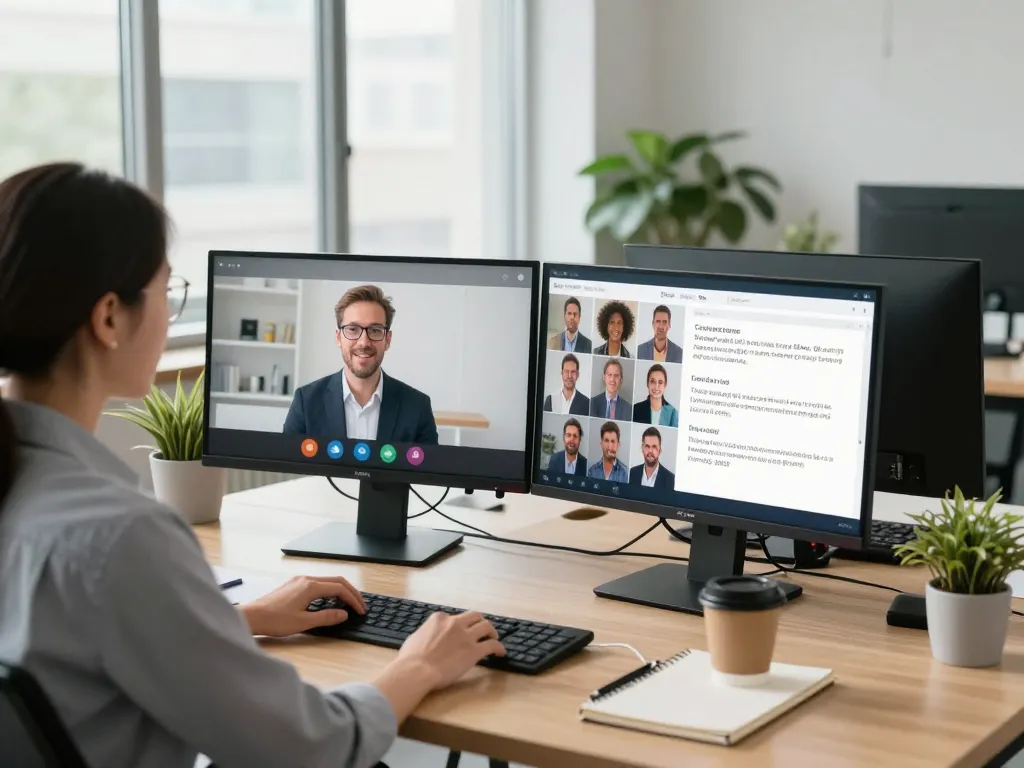
Understanding AI Voice Interviewers
In today’s fast-paced recruitment landscape, companies are leveraging innovative technologies to streamline their hiring processes. One such innovation is the AI voice interviewer, which utilizes artificial intelligence to conduct interviews seamlessly. By mimicking human conversation, this technology not only saves time but also enhances the candidate experience, establishing a new standard in talent acquisition.
What Is an AI Voice Interviewer?
An AI voice interviewer is an advanced software tool designed to conduct interviews with job candidates using natural language processing (NLP) and machine learning algorithms. Unlike traditional interviewing methods that rely heavily on in-person or video interactions, AI voice interviewers operate through audio interfaces, allowing candidates to engage in conversation through phone calls or browser-based platforms. This technology can handle multiple interviews simultaneously, providing recruiters with the ability to assess candidates at an unprecedented scale.
Key Features of AI Voice Interviewing Technology
- 24/7 Availability: AI voice interviewers can conduct interviews around the clock, accommodating the schedules of candidates from various time zones and backgrounds.
- Multilingual Support: Capable of conducting interviews in multiple languages, they can serve diverse candidate pools effectively.
- Automatic Follow-Ups: The technology ensures that no candidate is left behind by automatically following up on missed calls or incomplete interviews via SMS or email.
- Seamless ATS Integration: Completed interviews and scores are synced directly to Applicant Tracking Systems (ATS), streamlining the hiring process further.
How AI Voice Interviewers Improve the Recruitment Process
By integrating AI voice interviewers into the recruitment process, organizations can significantly enhance their efficiency. These interviewers provide consistent evaluations and reduce biases often associated with human interviewers. Moreover, they enable faster screenings, allowing recruiters to focus their attention on the most promising candidates, thus maximizing resource allocation.
Why Leading Companies Prefer AI Voice Interviewers
As businesses strive to stay competitive, many leading organizations have started to embrace AI voice interviewing technology as part of their hiring strategies. The benefits are multi-faceted, often translating to improved hiring outcomes and significant time savings.
Benefits for High-Volume Hiring
High-volume hiring environments, such as those in retail or hospitality, demand a swift and efficient approach to screening candidates. AI voice interviewers excel in these scenarios by handling thousands of applicants in a fraction of the time it would take traditional methods. This capability ensures that businesses can maintain staffing levels without compromising quality or candidate experience.
Real-World Examples of Success
Numerous companies have reported success stories after integrating AI voice interviewers into their recruitment processes. For instance, a leading logistics company was able to increase their candidate throughput by 70% while maintaining a high quality of hire due to the objective scoring system provided by the AI. Similarly, a healthcare provider used this technology to screen applicants for nursing positions, dramatically reducing the time to fill critical roles while still ensuring that candidates met the necessary qualifications.
Cost-Efficiency and Resource Optimization
In addition to increasing throughput, AI voice interviewers can lead to significant cost savings. By automating the initial screening process, companies can reduce the need for numerous staff hours dedicated to interviewing. This resource optimization allows HR teams to focus on strategic planning and oversight rather than getting bogged down with repetitive tasks. As a result, companies can use their human resources more effectively, driving overall business performance.
How to Implement an AI Voice Interviewer
To unlock the full potential of AI voice interviewers, organizations must implement them thoughtfully and strategically. This section outlines some essential steps for getting started.
Setting Up Your Requirements and Criteria
Start by clearly defining the criteria for the positions you are hiring for. Consider the essential skills, qualifications, and experiences that candidates must possess. Establishing weighted competencies based on these criteria will guide the AI interviewer in evaluating candidates more accurately and consistently, reducing bias and ensuring that only the most suitable candidates progress to the next stage.
Integrating the AI Voice Interviewer with Your ATS
The success of an AI voice interviewer heavily relies on its integration with existing recruitment platforms, particularly your ATS. Ensure that the AI solution can seamlessly sync candidate data, interview scores, and transcripts to your ATS dashboard, enabling recruiters to review and act on insights without switching between multiple platforms.
Best Practices for Conducting Effective Interviews
- Customize the Interview Experience: Tailor the conversation flow and questions to match your company’s interviewing style while ensuring the AI remains conversational.
- Provide Clear Instructions: Inform candidates about what they can expect during the interview process to ease any anxiety they may have.
- Analyze Feedback: Regularly review interview transcripts and candidate feedback to refine the interviewing process and improve AI performance.
Common Misconceptions About AI Voice Interviewers
Despite the significant advancements in AI voice interview technology, several misconceptions persist. Disentangling these misunderstandings is crucial for organizations considering its implementation.
AI Voice Interviewers vs. Traditional Interviewing
One common misconception is that AI voice interviewers lack the personal touch found in traditional interviews. However, AI technology continually evolves to enhance conversational experiences, making interactions feel more natural and engaging. Moreover, AI can capture nuances in candidate responses that may be overlooked in a standardized interview format.
Addressing Concerns About Candidate Experience
Concerns regarding candidates feeling uncomfortable or unvalued during AI interviews are valid but can be mitigated. By designing AI voice interviewers to engage empathetically, companies can create a more welcoming atmosphere for candidates. Continuous learning mechanisms allow AI systems to adapt to feedback, further improving candidate interactions over time.
Understanding the Technology Behind AI Voice Interviewers
Many organizations hesitate to adopt this technology due to a lack of understanding of how it works. AI voice interviewers are built on advanced algorithms and machine learning techniques that analyze vast amounts of data to improve their performance. This transparency can foster trust and encourage more companies to embrace the technology.
The Future of Recruiting: Trends for 2026 and Beyond
As we look ahead, it’s clear that AI voice interviewers will play a pivotal role in the future of recruitment. Understanding emerging trends will help organizations prepare for the evolving landscape.
Emerging Technologies in Recruitment
Innovations such as augmented reality (AR), virtual reality (VR) assessments, and enhanced AI capabilities will redefine how candidates are evaluated. AI voice interviewers will likely integrate with these technologies to provide holistic assessments, further improving the hiring process.
Predictions for AI Voice Interviewers
Industry experts predict that by 2026, AI voice interviewers will become ubiquitous in the recruitment industry. Companies that adopt these tools early on will have a competitive advantage, leading to faster hiring processes and improved candidate experiences.
Expert Insights on the Evolving Recruitment Landscape
Experts foresee a shift towards data-driven recruitment strategies where AI-driven insights guide decision-making. This change will enable HR professionals to focus on strategic initiatives rather than administrative tasks, paving the way for more innovative recruitment methodologies in the future.
What industries benefit most from AI voice interviewers?
Sectors such as retail, hospitality, and logistics often experience high turnover rates and demand quick hiring processes, making them prime candidates for AI voice interviewers. Additionally, industries requiring a diverse workforce can also leverage this technology to engage with multilingual candidates effectively.
How does AI voice interviewing enhance candidate engagement?
The conversational nature of AI voice interviews allows candidates to engage in a two-way dialogue, fostering a sense of connection with the recruiter. This engagement can lead to a more positive candidate experience and encourage candidates to view the company favorably, even if they do not receive an offer.
What metrics should be tracked for AI voice interviews?
- Completion Rates: Measure the percentage of candidates who complete the interview process.
- Time to Complete: Track how long it takes candidates to finish interviews as a key efficiency metric.
- Candidate Satisfaction: Gather feedback to assess how candidates feel about the interview experience.
Are AI voice interviewers suitable for all job roles?
While AI voice interviewers are highly versatile, they may not be suitable for roles requiring in-depth technical assessments or complex interpersonal interactions. However, they excel in roles that involve standardized questions and evaluations, especially in high-volume hiring settings.
What are the privacy concerns with AI voice interviewers?
Concerns regarding data privacy and candidate confidentiality are paramount. Organizations must ensure that they comply with relevant laws and regulations, including GDPR and CCPA, when using AI voice interviewers. Transparent communication about how candidate data will be used can help alleviate these concerns.